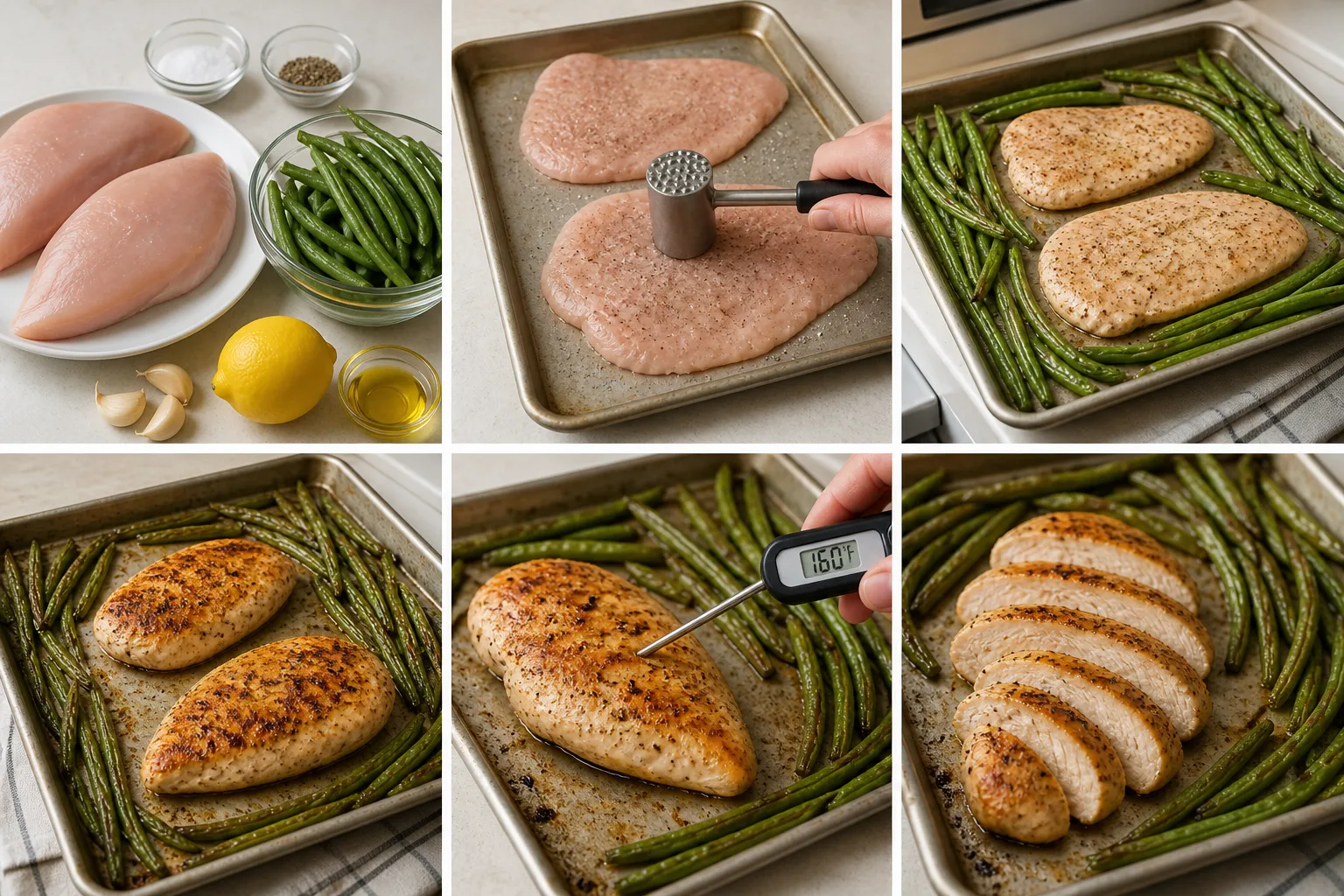
A lower-calorie way to make Baked Chicken Breast
Juicy Baked Chicken Breast Without Butter—Thickness Does the Work
Pound chicken to an even thickness, dry-brine it, and stop at temperature for a juicy baked chicken breast around 285 calories per serving without a butter baste.
Most dry baked chicken is not missing butter; one end simply spends too long in the oven while the thick center catches up. This method changes the geometry first. An even breast, a short salt rest, and a thermometer make a modest teaspoon of oil enough for browning and moisture.
What changes—and what stays
From butter-basted baked chicken breast to 285 calories
Even thickness and a temperature-led finish protect moisture more reliably than coating uneven chicken with extra butter.
| Part | Conventional | Lighter | Why |
|---|---|---|---|
| Shape | Natural thick-and-thin breast | Even 3/4-inch cutlet | Every section finishes together |
| Added fat | 2 tbsp butter or oil | 1 tsp olive oil | A thin spice film is enough for browning |
| Finish | Bake for a fixed 25–30 minutes | Check at 14 minutes | Temperature prevents dry insurance cooking |
How the flavor stays
Salt has time to season below the surface, while paprika and dried herbs bloom in the measured oil. Equal thickness lets every section reach doneness together, so extra fat is not needed to mask overcooking.
A cost rule that survives inflation
Family packs of boneless chicken breast are often easier to portion across several meals than specialty pre-marinated cutlets. The same pantry herbs season vegetables or soup later in the week.
Ingredients for 2
Measure first; timing is part of how this recipe uses less fat.
- 12 oz (340g)boneless skinless chicken breasts— 2 small or 1 large split horizontally
- 1 tsp (5g)olive oil
- 3/4 tspkosher salt
- 1 tspsmoked paprika
- 1/2 tspgarlic powder
- 1/2 tspdried oregano
- 1/4 tspblack pepper
- 2 tsp (10ml)lemon juice
What to look for when shopping
Buy by shape as well as weight
Two smaller breasts are easier to flatten evenly than one very thick, tapered piece. A large breast can be split horizontally before pounding.
Paprika should smell sweet, not dusty
Old paprika adds color but little aroma. Smoked or sweet both work, but replace a jar that has no scent when rubbed between your fingers.
A thermometer replaces guesswork
Insert from the side toward the center so the sensor sits in meat rather than touching the hot baking tray.
Tools
rimmed baking sheet · parchment · meat mallet or rolling pin · instant-read thermometer · cutting board
Method
Each step includes heat, a visible cue, and a recovery.
Board and parchment · no heat · 4 minutes
Make thickness the same before seasoning
Place chicken between parchment and pound the thick end to about 3/4 inch. Pat dry, sprinkle with salt on both sides, and rest uncovered for 15 minutes.
Look for: The cutlets should look level from edge to center; no bulbous end should stand more than 1/4 inch higher.
Why this order: Flattening shortens the thickest section without making the thin tip wait in the oven.
Stop pounding that area and work outward from the thick center with lighter taps.
Uncovered rest · room temperature · 15 minutes
Paint on a thin seasoning paste
Heat the oven to 425°F (220°C). Mix oil, paprika, garlic, oregano, and pepper, then rub the paste over every surface of the chicken.
Look for: The spices should form a thin brick-red film with no puddle of oil on the tray.
Why this order: A brief dry-brine seasons below the surface and removes the wet sheen that blocks browning.
Salt just before the spice paste and pat dry twice; do not leave salted chicken wet in a bowl.
425°F oven · begin checking at 14 minutes
Bake to temperature, not to a rounded time
Arrange chicken with space between pieces and bake 14 minutes. Check the thickest point, then continue in 2-minute increments until it reaches 160–162°F (71–72°C).
Look for: The surface is lightly browned and the thermometer enters the center from the side, not against the hot pan.
Why this order: High heat colors the outside during a short trip to the target temperature.
Remove it to rest and return only the cooler piece. Do not keep both in for matching clock times.
Board · 7-minute rest
Rest before the knife releases the juices
Move chicken to a board, loosely cover, and rest 7 minutes. Slice across the grain and finish with lemon juice and any juices collected on the board.
Look for: The slices stay glossy rather than leaving a flood of liquid behind the knife.
Why this order: Carryover heat completes cooking while juices redistribute through the lean muscle.
Spoon the escaped juices over the slices and serve immediately rather than reheating them.
Adjust it for the ingredients you have
Breast weight matters less than its final thickness. Use the clock to know when to start checking and the thermometer to decide when to stop.
Your chicken is very thick
Split it horizontally first. Pounding a two-inch breast all the way down can shred the thin end before the center evens out.
You want meal-prep slices
Store the cooked breast whole and slice it cold. Less cut surface means less moisture loss during refrigeration.
The paprika darkens too fast
Move the tray one rack lower or tent loosely near the end. Do not lower the oven before checking the internal temperature.
Calories at the same serving size
165 kcal · 37% lower estimated
Whole-recipe calorie breakdown
| Chicken breast, 12 oz | 560 kcal |
| Olive oil, 1 tsp | 40 kcal |
| Lemon and seasonings | 8 kcal |
| Whole-recipe total | 608 kcal |
| Estimated per serving (total ÷ 2) | 285 kcal |
The recipe totals about 608 calories and yields two portions near 285–305 calories depending on the chicken label and trimming. Sides and sauces are excluded.
Juiciness begins with geometry
An uneven breast contains two cooking problems on one piece of meat. By the time the thick center is safe, a thin tail may have spent many extra minutes losing water.
A small amount of oil still matters because it distributes dry spices and encourages even surface color. It just cannot correct a piece that is overcooked inside.
The rest is part of the cooking time. Removing chicken before the final temperature and leaving it intact allows stored surface heat to move inward without another blast from the oven.
Keep the leftovers in the same spirit
Refrigerate whole portions up to four days. Reheat gently with a covered splash of water, or slice cold for salads and sandwiches.
Cool within two hours and refrigerate unsliced portions up to 4 days. Reheat covered with a spoonful of water, or serve cold; repeated high heat dries lean chicken quickly.
Frequently asked questions
Why remove it below 165°F?
The center continues rising during the seven-minute rest. If you prefer, bake directly to 165°F; the important point is checking the thickest section with a thermometer.
Does 285 calories include sides?
No. It covers one half of the seasoned chicken recipe; vegetables, rice, potatoes, and sauces are separate.
- Chicken breast280kcal
- Olive oil20kcal
- Lemon and seasonings4kcal
- smoked paprika1 tsp
CaloNote · mobile analysis example
The side dish changes the plate
Photograph the chicken with the rice, vegetables, or sauce you actually served. CaloNote can separate the plate into estimated components for you to review.
This uses the real CaloNote meal-detail layout with this recipe’s photo and estimated nutrition. Actual AI results vary with the photo and portion.
Analyze my meal in CaloNoteMethod and sources
Recipe development and nutrition review: CaloNote Editorial
This editorial recipe uses ingredient-level nutrition estimates and reviewed cooking principles. It is not represented as physically test-cooked, and nutrition is approximate.
Published and last reviewed: August 25, 2026
Make another familiar dinner lighter
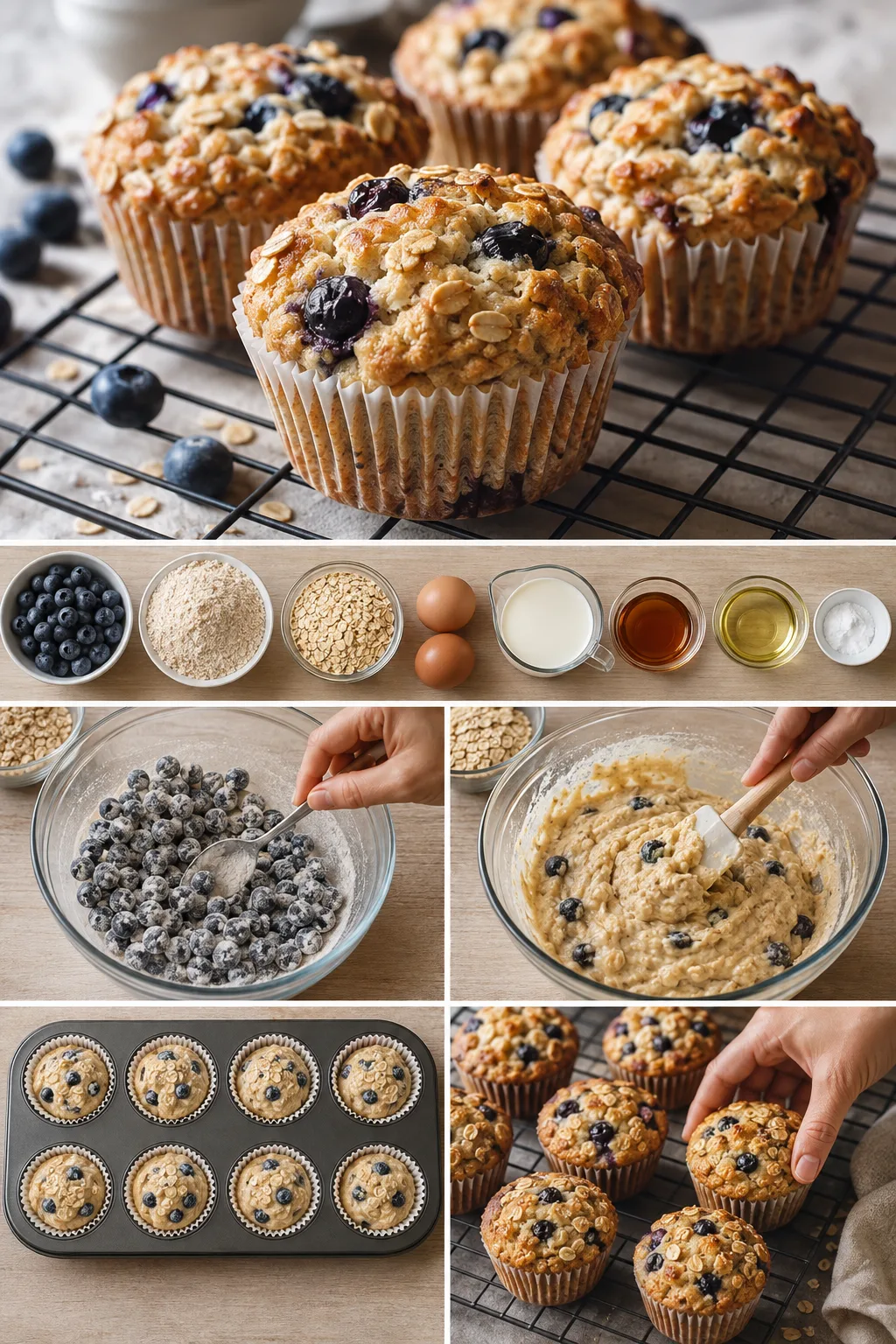
Blueberry Muffins: a lighter American recipe with a clear doneness check
American Blueberry Muffins for eight: coat dry berries lightly, fold the batter only until streaks disappear, and bake in evenly filled cups. The measured formula uses blueberries, whole-wheat flour, rolled oats, eggs, and low-fat milk; the reliable finish is domed tops spring back and berries stay suspended. About 345 kcal per portion.
See the recipe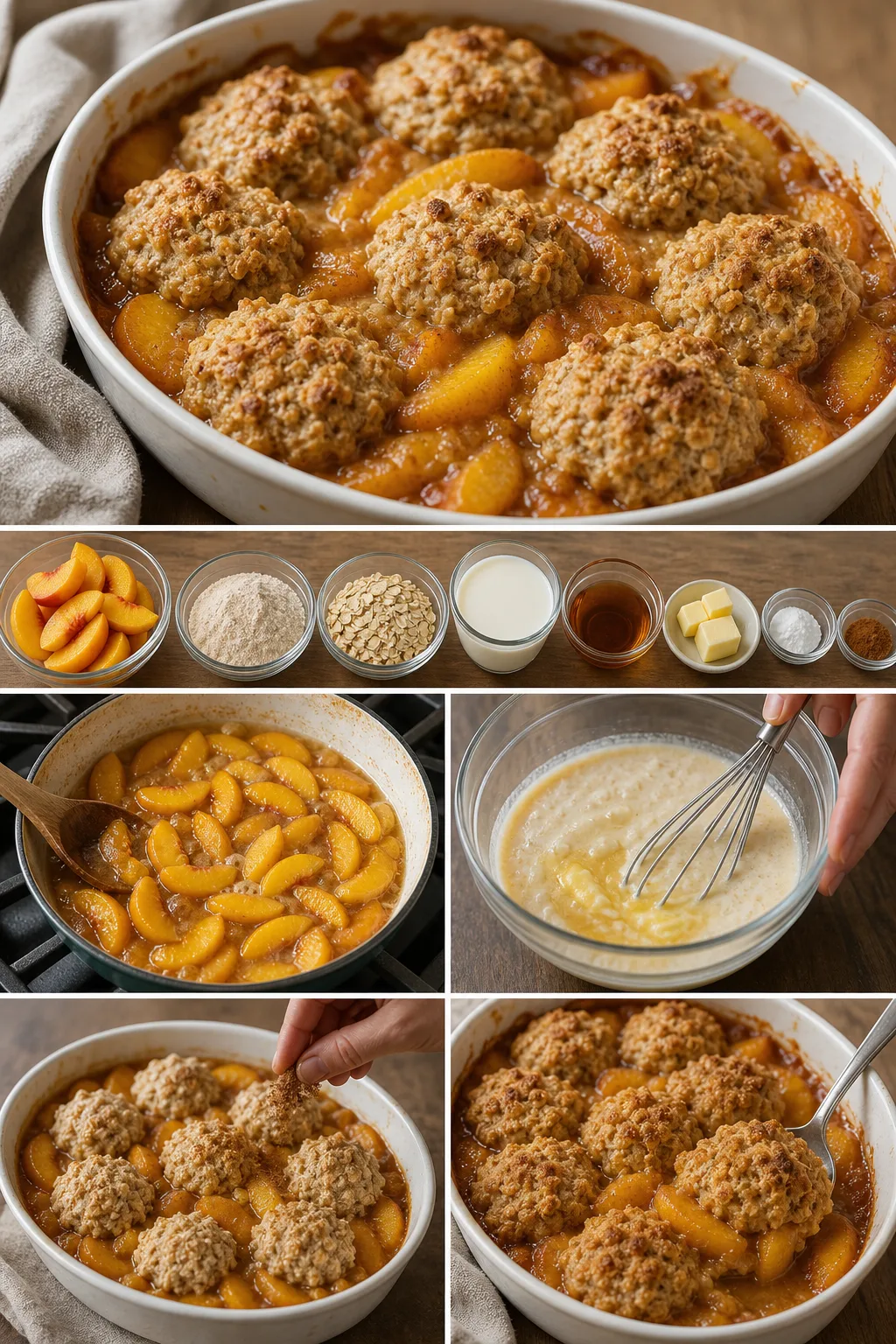
Peach Cobbler: a lighter American recipe with a clear doneness check
American Peach Cobbler for eight: reduce the peach juices first and spoon small biscuit mounds apart so steam can escape. The measured formula uses ripe peaches, whole-wheat flour, rolled oats, low-fat milk, and maple syrup; the reliable finish is the fruit bubbles thickly and each biscuit is dry beneath. About 345 kcal per portion.
See the recipe