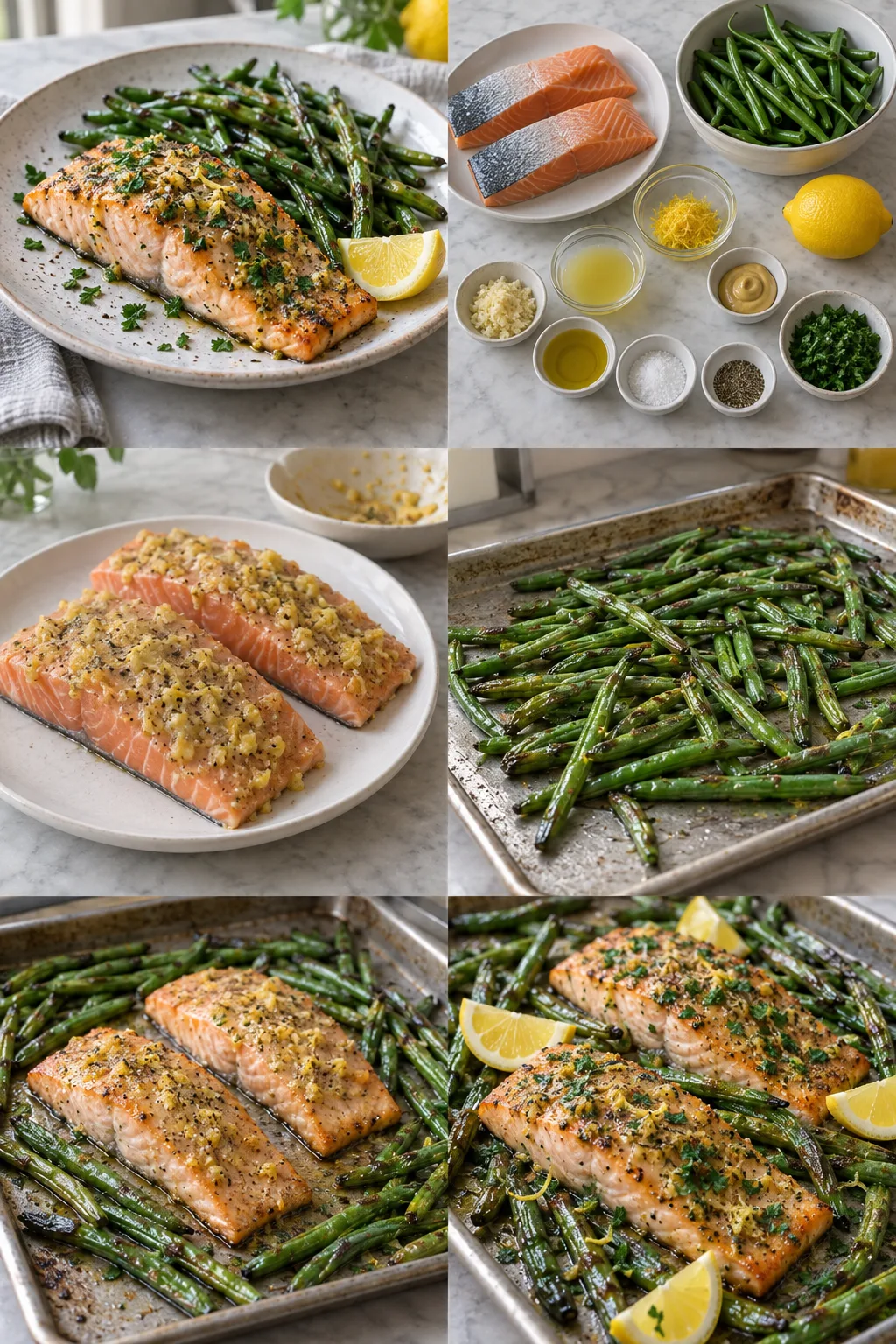
A lower-calorie way to make Lemon Garlic Salmon
Lemon Garlic Salmon With the Zest in the Rub, Not Butter in the Pan
Rub salmon with lemon zest and garlic, roast it over green beans, and add juice after cooking for a bright dinner near 375 calories.
Lemon juice poured over raw salmon can turn the surface chalky before the center cooks, while a butter sauce can bury the citrus completely. The zest belongs in the dry rub, where its oils perfume the fish; the juice belongs after the heat, where its acidity stays fresh. A small amount of oil is reserved for the vegetables, not pooled under the fillets.
What changes—and what stays
From conventional 540 calories in a comparison serving finished with 3 tablespoons of butter and a larger starch side to 375 calories
Roast two 5-oz/142-g salmon fillets with a zest-garlic rub and only 1 tsp oil for the vegetables; finish with lemon juice after the fish leaves the oven. Lemon zest supplies concentrated citrus oil during roasting, garlic mellows against the salmon fat, and fresh juice added off heat cuts richness without a butter emulsion.
| Part | Conventional | Lighter | Why |
|---|---|---|---|
| Core method | More added fat or a heavier proportion | Roast two 5-oz/142-g salmon fillets with a zest-garlic rub and only 1 tsp oil for the vegetables; finish with lemon juice after the fish leaves the oven. | Lemon zest supplies concentrated citrus oil during roasting, garlic mellows against the salmon fat, and fresh juice added off heat cuts richness without a butter emulsion. |
How the flavor stays
Lemon zest supplies concentrated citrus oil during roasting, garlic mellows against the salmon fat, and fresh juice added off heat cuts richness without a butter emulsion.
A cost rule that survives inflation
Frozen individually portioned salmon works after refrigerator thawing and helps avoid buying more fish than two meals need. Green beans roast on the same pan.
Ingredients for 2
Measure first; timing is part of how this recipe uses less fat.
- 2 fillets (10 oz/284 g total)skin-on salmon, patted dry
- 10 oz (285 g)green beans, trimmed
- 1 medium (90 g)lemon, zested and juiced
- 2 cloves (8 g)garlic, finely grated
- 1 tsp (5 g)olive oil
- 1 tsp (2 g)Dijon mustard
- 1/2 tsp (3 g)kosher salt
- 1/4 tsp (0.5 g)black pepper
- 1 tbsp (4 g)chopped parsley
Method
Each step includes heat, a visible cue, and a recovery.
Step 1 · follow the visible cue
Dry the fish before adding aromatics
Heat the oven to 425°F/220°C. Blot the salmon, especially the skin, and mix lemon zest, garlic, mustard, half the salt, and pepper into a thick rub without lemon juice.
Look for: The fish surface is matte and the aromatic rub clings without watery liquid around it.
Step 2 · follow the visible cue
Give the beans five minutes alone
Toss green beans with the measured oil and remaining salt on a rimmed pan. Roast for 5 minutes so their surface moisture can escape before the salmon arrives.
Look for: The beans are bright green with the first brown freckles and the pan looks dry.
Step 3 · follow the visible cue
Roast salmon skin-side down
Move beans aside and set salmon skin-side down on the hot pan. Spread the zest rub on top and roast 8 to 11 minutes, checking the thickest center rather than relying on color alone.
Look for: The center reaches 145°F/63°C and separates into moist flakes when nudged with a fork.
Step 4 · follow the visible cue
Add juice only after the oven
Rest the salmon 3 minutes. Squeeze 1 tablespoon lemon juice over the beans and a few drops over each fillet, then add parsley and divide the pan into two servings.
Look for: The salmon surface glistens without a butter pool and the lemon aroma remains sharp and fresh.
Calories at the same serving size
169 kcal · 31% lower estimated
The estimate uses the listed ingredients divided into 2 servings. Brand labels, trimming, and the amount left in the pan can change the result.
Keep the leftovers in the same spirit
Refrigerate within 2 hours and use within 2 days. Reheat gently, covered, only until hot; high heat will push white albumin from the salmon and dry it out.
Refrigerate within 2 hours and use within 2 days. Reheat gently, covered, only until hot; high heat will push white albumin from the salmon and dry it out.
Frequently asked questions
What is the white material on my salmon?
It is albumin, a protein that appears more when fish cooks hard or long. It is safe, but gentler heat and pulling the fish at 145°F/63°C reduce it.
Can I use skinless salmon?
Yes. Place it on parchment or a lightly oiled rack so it releases cleanly, and start checking about 2 minutes earlier.
- skin-on salmon, patted dry2 fillets (10 oz/284 g total)
- green beans, trimmed10 oz (285 g)
- lemon, zested and juiced1 medium (90 g)
- garlic, finely grated2 cloves (8 g)
CaloNote · mobile analysis example
Check the Lemon Garlic Salmon serving you actually made
Photograph the finished plate in CaloNote, review the detected ingredients and portion, and correct the estimate before saving.
This uses the real CaloNote meal-detail layout with this recipe’s photo and estimated nutrition. Actual AI results vary with the photo and portion.
Analyze my meal in CaloNoteMethod and sources
Recipe development and nutrition review: CaloNote Editorial
This editorial recipe uses ingredient-level nutrition estimates and reviewed cooking principles. It is not represented as physically test-cooked, and nutrition is approximate.
Published and last reviewed: August 25, 2026
Make another familiar dinner lighter
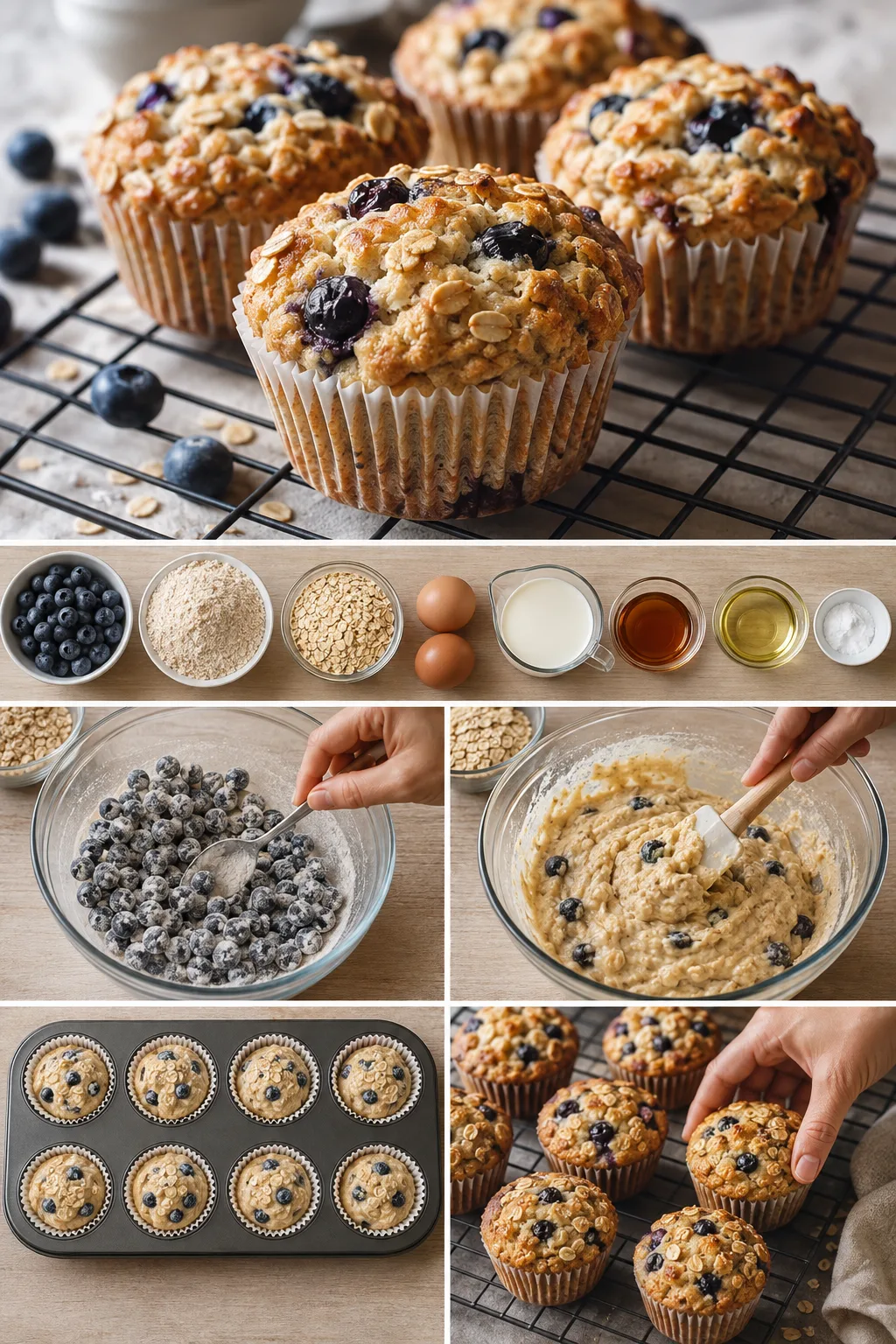
Blueberry Muffins: a lighter American recipe with a clear doneness check
American Blueberry Muffins for eight: coat dry berries lightly, fold the batter only until streaks disappear, and bake in evenly filled cups. The measured formula uses blueberries, whole-wheat flour, rolled oats, eggs, and low-fat milk; the reliable finish is domed tops spring back and berries stay suspended. About 345 kcal per portion.
See the recipe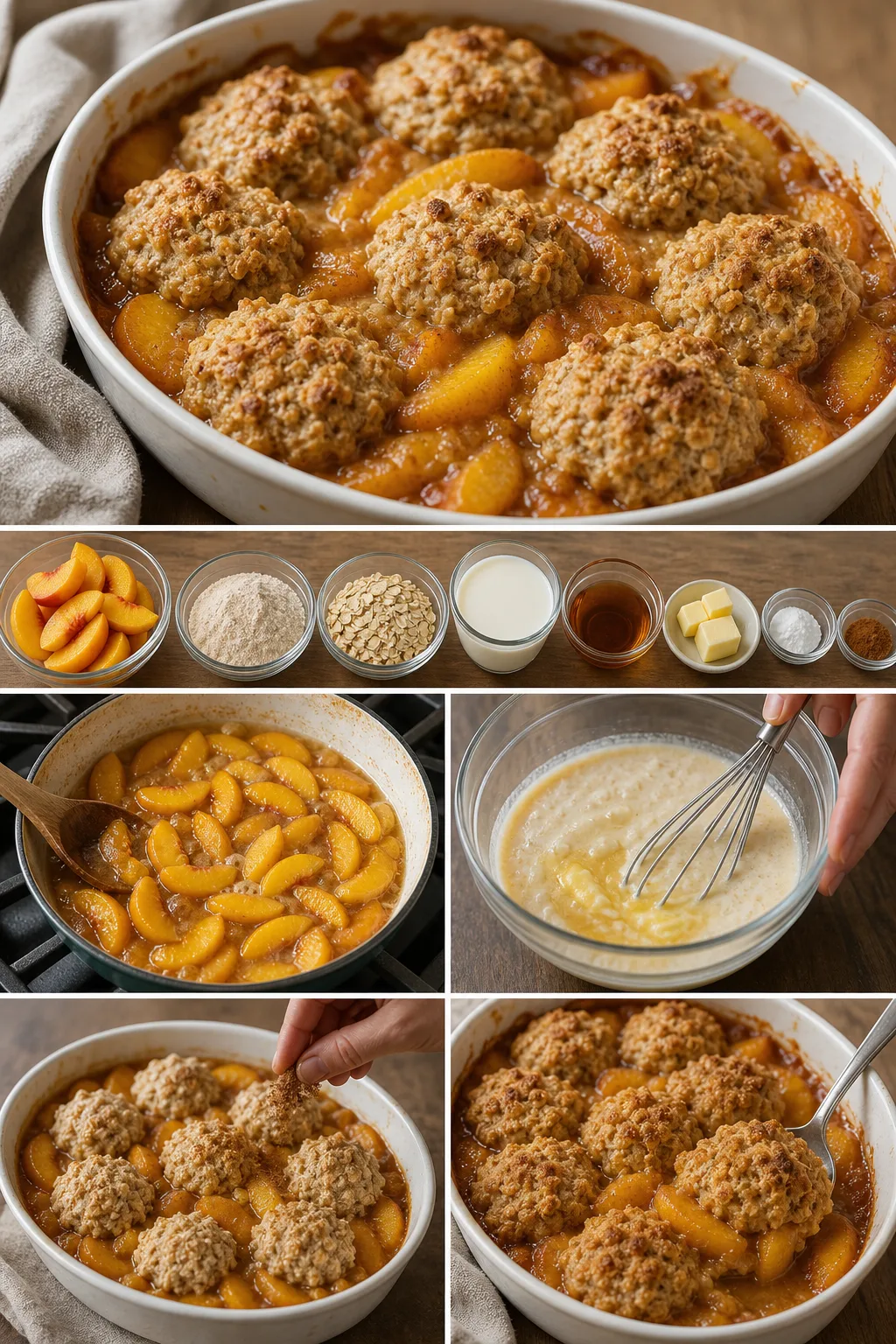
Peach Cobbler: a lighter American recipe with a clear doneness check
American Peach Cobbler for eight: reduce the peach juices first and spoon small biscuit mounds apart so steam can escape. The measured formula uses ripe peaches, whole-wheat flour, rolled oats, low-fat milk, and maple syrup; the reliable finish is the fruit bubbles thickly and each biscuit is dry beneath. About 345 kcal per portion.
See the recipe