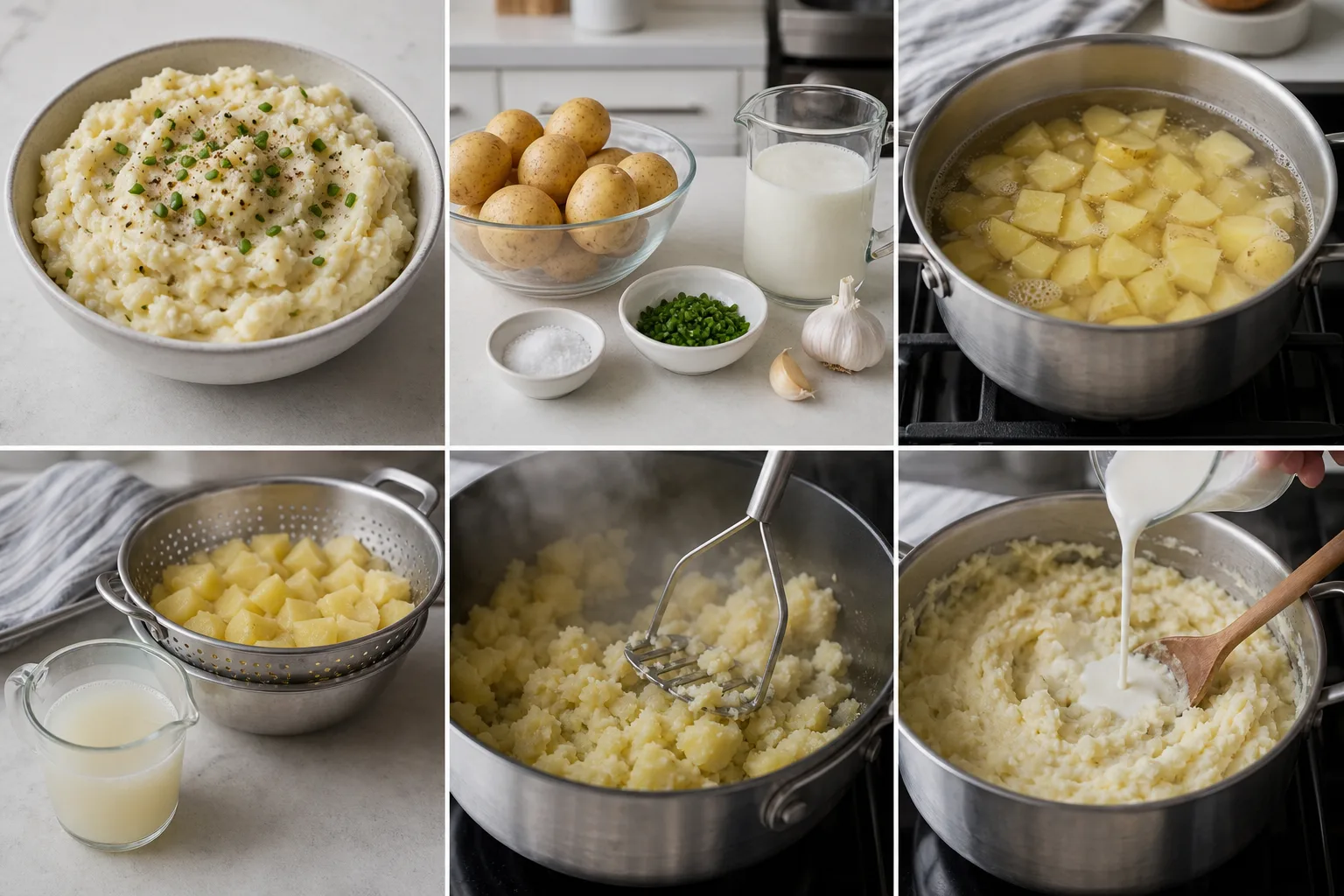
A lower-calorie way to make Mashed Potatoes
Creamy Mashed Potatoes Without Heavy Cream—Save the Starchy Water
Steam-dry Yukon Golds, mash while hot, and add warm buttermilk plus reserved potato water for creamy mashed potatoes around 210 calories without butter or heavy cream.
The useful liquid for lighter mashed potatoes is usually poured down the drain. Reserved potato water carries starch that helps buttermilk coat the mash instead of disappearing into it. Combined with waxy-creamy Yukon Golds and a dry hot pot, that makes richness a texture problem rather than a butter problem.
What changes—and what stays
From butter-and-cream mashed potatoes to 210 calories
Yukon Gold texture, steam-drying, warm buttermilk, and reserved potato starch create creamy movement without building the bowl around butter and heavy cream.
| Part | Conventional | Lighter | Why |
|---|---|---|---|
| Dairy | Butter plus heavy cream | Low-fat buttermilk | Tang and moisture with much less fat |
| Body | More butter | Reserved potato water | Starch helps liquid cling |
| Mixing | Whip until smooth | Hand-mash and fold | Avoids gluey overworked starch |
How the flavor stays
Yukon Golds bring naturally buttery color and a creamy cell structure. Steam-drying prevents watery mash, while warm dairy and potato starch reunite into a smooth coating around—not inside broken—potato cells.
A cost rule that survives inflation
Potatoes and cultured buttermilk are ordinary ingredients with uses beyond one side dish. No packaged cauliflower substitute or specialty dairy replacement is needed.
Ingredients for 3
Measure first; timing is part of how this recipe uses less fat.
- 1.5 lb (680g)Yukon Gold potatoes— peeled, 1.5-inch pieces
- 3/4 cup (180ml)low-fat buttermilk
- Up to 1/2 cup (120ml)reserved potato water
- 3/4 tspkosher salt— plus for cooking water
- 1/4 tspgarlic powder
- 1/4 tspblack pepper
- 1 tbspchopped chives
What to look for when shopping
Choose potatoes of one variety
Mixed waxy and floury potatoes break down at different rates and make texture harder to judge.
Buttermilk is flavor, not just liquid
Its acidity makes an unbuttered mash taste deliberate. Warm gently and never boil, which can separate it.
Reserve water before draining
The cloudy liquid at the end contains the starch you need. Plain tap water can loosen mash but does not bind in the same way.
Tools
3-quart pot · measuring cup · colander · hand masher · small saucepan or microwave-safe cup
Method
Each step includes heat, a visible cue, and a recovery.
Cold start · gentle simmer · 14–18 minutes
Start potatoes in cold salted water
Cover potatoes by one inch with cold water and salt it lightly. Bring to a gentle simmer and cook 14–18 minutes rather than boiling hard.
Look for: A knife slides through the largest piece without resistance, but the pieces have not burst apart.
Why this order: Pieces heat toward the center together instead of developing waterlogged outsides in boiling water.
Drain immediately and extend the steam-dry step by 30 seconds.
Empty warm pot · low heat · 60–90 seconds
Save starch, then steam the potatoes dry
Scoop out 1/2 cup cooking water before draining. Return potatoes to the warm empty pot over low heat for 60–90 seconds, shaking gently.
Look for: The pot looks dry and a faint chalky film forms on the potato surfaces.
Why this order: Driving off surface water makes room for flavorful buttermilk instead of producing a thin mash.
Lift and shake the pot rather than scraping aggressively; remove from heat as soon as the surface looks chalky.
Heat off · hand masher · about 1 minute
Mash hot, and stop before it turns elastic
Remove from heat and use a hand masher until no large lumps remain. Warm the buttermilk separately; cold liquid would cool and tighten the potatoes.
Look for: The mash holds soft ridges but does not stretch from the masher like glue.
Why this order: A hand masher ruptures fewer starch cells than a blender or food processor.
Press only those lumps against the pot. Do not continue beating the entire batch.
Warm liquid · fold in stages
Fold in buttermilk, then tune with potato water
Fold in warm buttermilk, salt, garlic, and pepper. Add reserved water one tablespoon at a time until the spoon leaves a soft closing trail. Finish with chives.
Look for: A spoonful should slump slowly on the plate rather than stand stiff or spread into a puddle.
Why this order: Gradual addition lets starch hydrate without flooding the mash.
Rest uncovered five minutes. Do not add raw flour or return it to high heat.
Adjust it for the ingredients you have
Potato age changes how much liquid it accepts. Stop adding reserved water when the spoon trail closes slowly, even if some measured liquid remains.
You only have regular milk
Warm it and add one teaspoon lemon juice after folding. The result will be milder and may need less potato water.
You want garlic flavor
Use garlic powder or simmer one crushed clove with the buttermilk, then remove it. Raw chopped garlic can taste harsh.
The mash seems gluey
Stop stirring immediately and fold in chopped chives for contrast. More liquid cannot reverse overworked starch.
Calories at the same serving size
170 kcal · 45% lower estimated
Whole-recipe calorie breakdown
| Yukon Gold potatoes | 520 kcal |
| Low-fat buttermilk | 75 kcal |
| Chives and seasoning | 5 kcal |
| Whole-recipe total | 600 kcal |
| Estimated per serving (total ÷ 3) | 210 kcal |
The recipe totals about 600 calories and makes three servings around 200 calories. Potato variety, buttermilk label, and serving weight can shift the estimate.
The cooking water is a texture ingredient
Potato cells release starch into the water as they simmer. Saving a small amount gives the final mash a liquid that already knows how to cling to potato.
Steam-drying sounds opposite to adding liquid, but it swaps bland surface water for measured, flavorful buttermilk. That trade is what keeps the mash rich-tasting.
Mechanical force matters. Blades rupture many cells and release sticky starch, while a hand masher leaves enough structure for a soft, creamy spoonful.
Keep the leftovers in the same spirit
Refrigerate up to four days. Reheat covered with a spoonful of milk or water and fold minimally; freeze only if a softer thawed texture is acceptable.
Refrigerate up to 4 days. Reheat covered over low heat with a splash of milk or water, folding only a few times; aggressive stirring makes stored potatoes gummy.
Frequently asked questions
Can I use russet potatoes?
Yes, but mash even more gently and expect a fluffier, less naturally creamy result. Russets release more starch and become gluey when overworked.
Is the full half-cup of potato water included?
Nutrition assumes roughly one quarter cup is folded in; use only what the texture needs because the rest adds no meaningful calories.
- Yukon Gold potatoes173kcal
- Low-fat buttermilk25kcal
- Chives and seasoning2kcal
- kosher salt3/4 tsp
CaloNote · mobile analysis example
A serving spoon is not a standard cup
Photograph the plated scoop in CaloNote and review the estimated amount alongside gravy, meat, or vegetables before saving.
This uses the real CaloNote meal-detail layout with this recipe’s photo and estimated nutrition. Actual AI results vary with the photo and portion.
Analyze my meal in CaloNoteMethod and sources
Recipe development and nutrition review: CaloNote Editorial
This editorial recipe uses ingredient-level nutrition estimates and reviewed cooking principles. It is not represented as physically test-cooked, and nutrition is approximate.
Published and last reviewed: August 25, 2026
Make another familiar dinner lighter
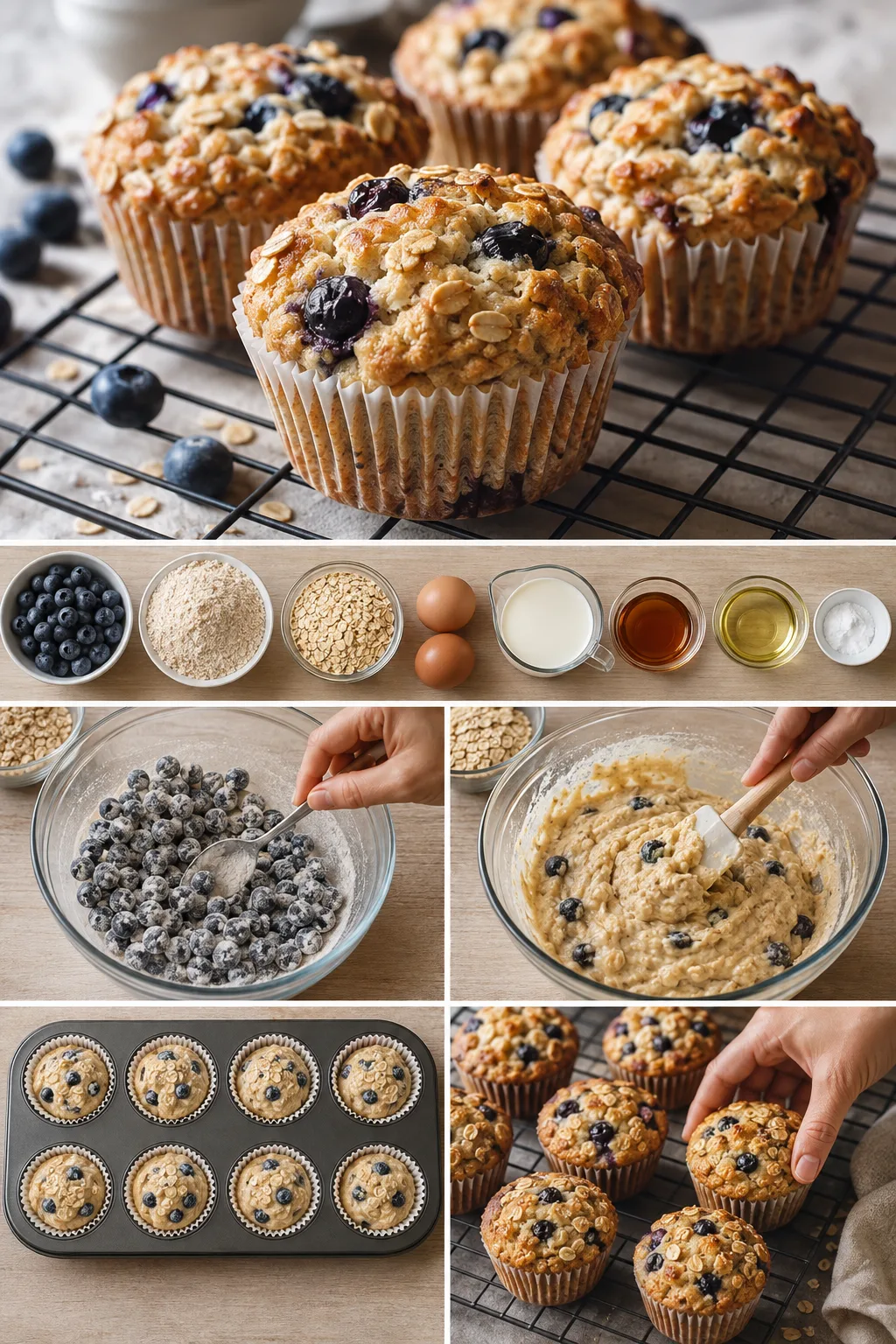
Blueberry Muffins: a lighter American recipe with a clear doneness check
American Blueberry Muffins for eight: coat dry berries lightly, fold the batter only until streaks disappear, and bake in evenly filled cups. The measured formula uses blueberries, whole-wheat flour, rolled oats, eggs, and low-fat milk; the reliable finish is domed tops spring back and berries stay suspended. About 345 kcal per portion.
See the recipe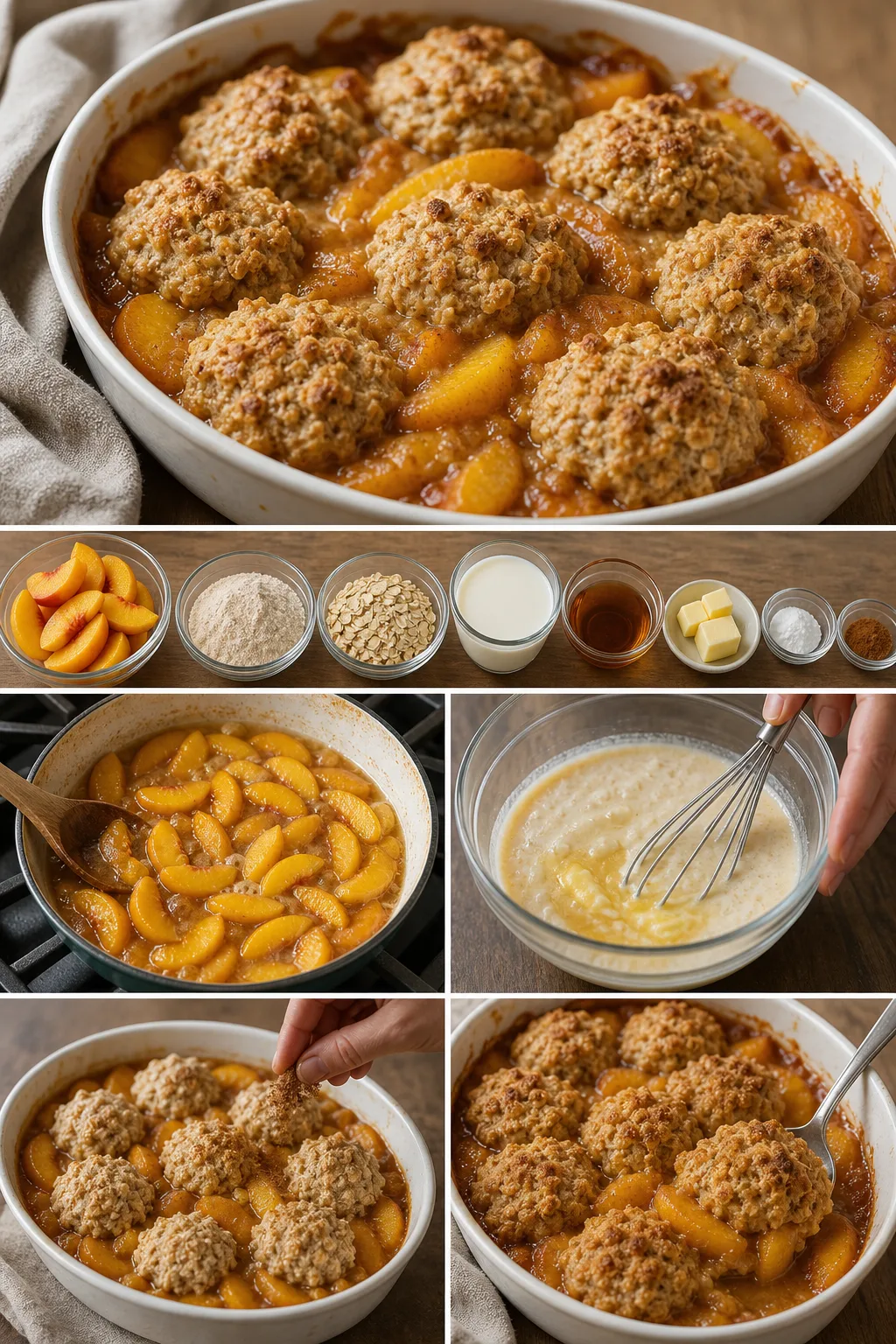
Peach Cobbler: a lighter American recipe with a clear doneness check
American Peach Cobbler for eight: reduce the peach juices first and spoon small biscuit mounds apart so steam can escape. The measured formula uses ripe peaches, whole-wheat flour, rolled oats, low-fat milk, and maple syrup; the reliable finish is the fruit bubbles thickly and each biscuit is dry beneath. About 345 kcal per portion.
See the recipe