A lower-calorie way to make Roast Chicken
Roast Chicken needs crisp skin on the plate—not fat under the vegetables
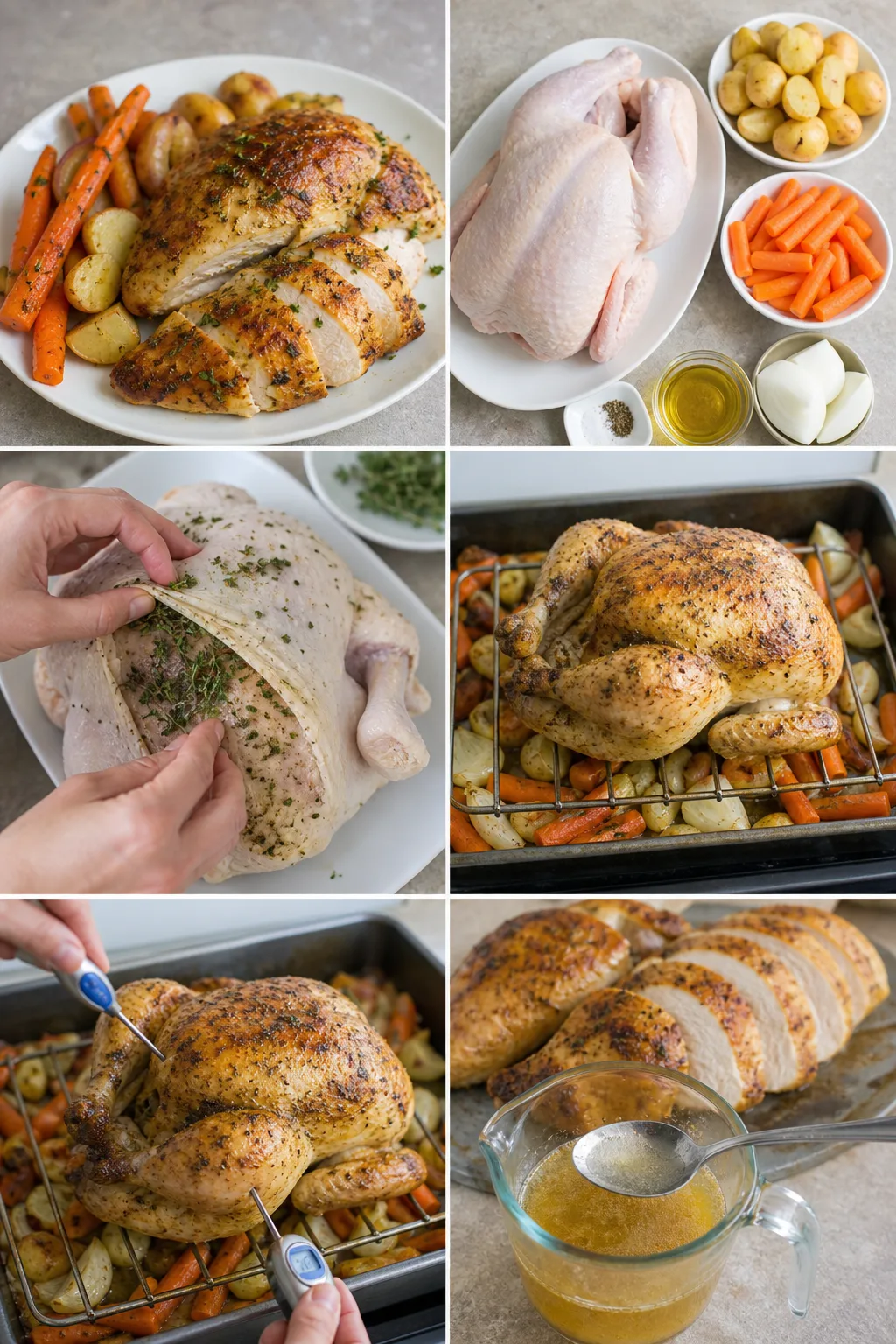
Herbs under the skin, a vegetable roasting rack and defatted pan juice produce a complete roast chicken dinner for about 510 calories.
Roast chicken becomes unexpectedly heavy when every vegetable sits in rendered fat and each serving gets an unmeasured piece of skin. This method keeps enough skin to protect and flavor the breast, but roasts the bird above the vegetables so excess fat can be separated. Herbs and lemon go under the skin, where their aroma reaches the meat instead of staying on a disposable outer layer.
What changes—and what stays
From often 700–950 calories with fatty pan vegetables and gravy to 510 calories
Roast a 1.8-kilogram chicken over a rack of vegetables, serve breast or leg meat with only a measured patch of crisp skin, and skim the pan juice. Lemon zest, thyme and garlic sit directly against the meat, while a dry overnight surface makes the retained skin crisp. Rested, defatted drippings provide concentrated roast flavor in spoonfuls rather than ladles.
| Part | Conventional | Lighter | Why |
|---|---|---|---|
| Core method | More added fat or a heavier proportion | Roast a 1.8-kilogram chicken over a rack of vegetables, serve breast or leg meat with only a measured patch of crisp skin, and skim the pan juice | Lemon zest, thyme and garlic sit directly against the meat, while a dry overnight surface makes the retained skin crisp. Rested, defatted drippings provide concentrated roast flavor in spoonfuls rather than ladles. |
How the flavor stays
Lemon zest, thyme and garlic sit directly against the meat, while a dry overnight surface makes the retained skin crisp. Rested, defatted drippings provide concentrated roast flavor in spoonfuls rather than ladles.
A cost rule that survives inflation
A whole chicken supplies six dinner portions plus bones for stock. Carrots, onions and potatoes cook in the same oven, avoiding separately packaged sides and sauces.
Ingredients for 6
Measure first; timing is part of how this recipe uses less fat.
- 1.8 kgwhole chicken
- 900 gYukon Gold potatoes
- 500 gcarrots
- 300 gonions
- 12 golive oil
- 1lemon
- 15 ggarlic
- 12 gfresh thyme
- 8 gkosher salt
- 240 mllow-sodium chicken stock
Method
Each step includes heat, a visible cue, and a recovery.
Step 1 · follow the visible cue
Dry the bird and season beneath the skin
Pat the chicken completely dry. Loosen the breast skin with your fingers and spread lemon zest, garlic and thyme directly onto the meat; refrigerate uncovered if time allows.
Look for: The outer skin should feel dry and papery rather than tacky before it enters the oven.
Step 2 · follow the visible cue
Build a rack that does not drink the drippings
Cut potatoes, carrots and onions evenly, toss them with only eight grams oil, and place a wire rack over the roasting pan so the chicken sits above them.
Look for: Vegetables should form one loose layer with open spaces rather than a deep packed bed.
Step 3 · follow the visible cue
Use temperature, not an extra half hour
Roast at 425°F until the breast reaches 160°F and the thickest thigh reaches at least 170°F, rotating the pan once but never basting with fat.
Look for: Skin is amber and taut, and clear juice runs when the thigh joint is pierced.
Step 4 · follow the visible cue
Rest first, then choose the skin deliberately
Rest the bird twenty minutes. Pour drippings into a separator, add stock to the browned pan, and serve measured meat with vegetables and two tablespoons of defatted jus.
Look for: Slices stay moist, vegetables have brown edges, and the jus has no visible grease layer.
Calories at the same serving size
230 kcal · 31% lower estimated
The estimate uses the listed ingredients divided into 6 servings. Brand labels, trimming, and the amount left in the pan can change the result.
Keep the leftovers in the same spirit
Remove meat from the carcass within two hours and refrigerate for up to three days. Store vegetables separately and freeze the bones for stock.
Remove meat from the carcass within two hours and refrigerate for up to three days. Store vegetables separately and freeze the bones for stock.
Frequently asked questions
Is the skin included in the calorie estimate?
A small crisp portion is included. Removing all skin lowers the estimate, while eating every loose piece from the bird raises it.
Why not roast directly on the vegetables?
The rack lets hot air reach the chicken and prevents the vegetables from absorbing all the rendered fat. They still receive roast flavor from the pan.
- whole chicken1.8 kg
- Yukon Gold potatoes900 g
- carrots500 g
- onions300 g
CaloNote · mobile analysis example
Check the Roast Chicken serving you actually made
Photograph the finished plate in CaloNote, review the detected ingredients and portion, and correct the estimate before saving.
This uses the real CaloNote meal-detail layout with this recipe’s photo and estimated nutrition. Actual AI results vary with the photo and portion.
Analyze my meal in CaloNoteMethod and sources
Recipe development and nutrition review: CaloNote Editorial
This editorial recipe uses ingredient-level nutrition estimates and reviewed cooking principles. It is not represented as physically test-cooked, and nutrition is approximate.
Published and last reviewed: August 25, 2026
Make another familiar dinner lighter
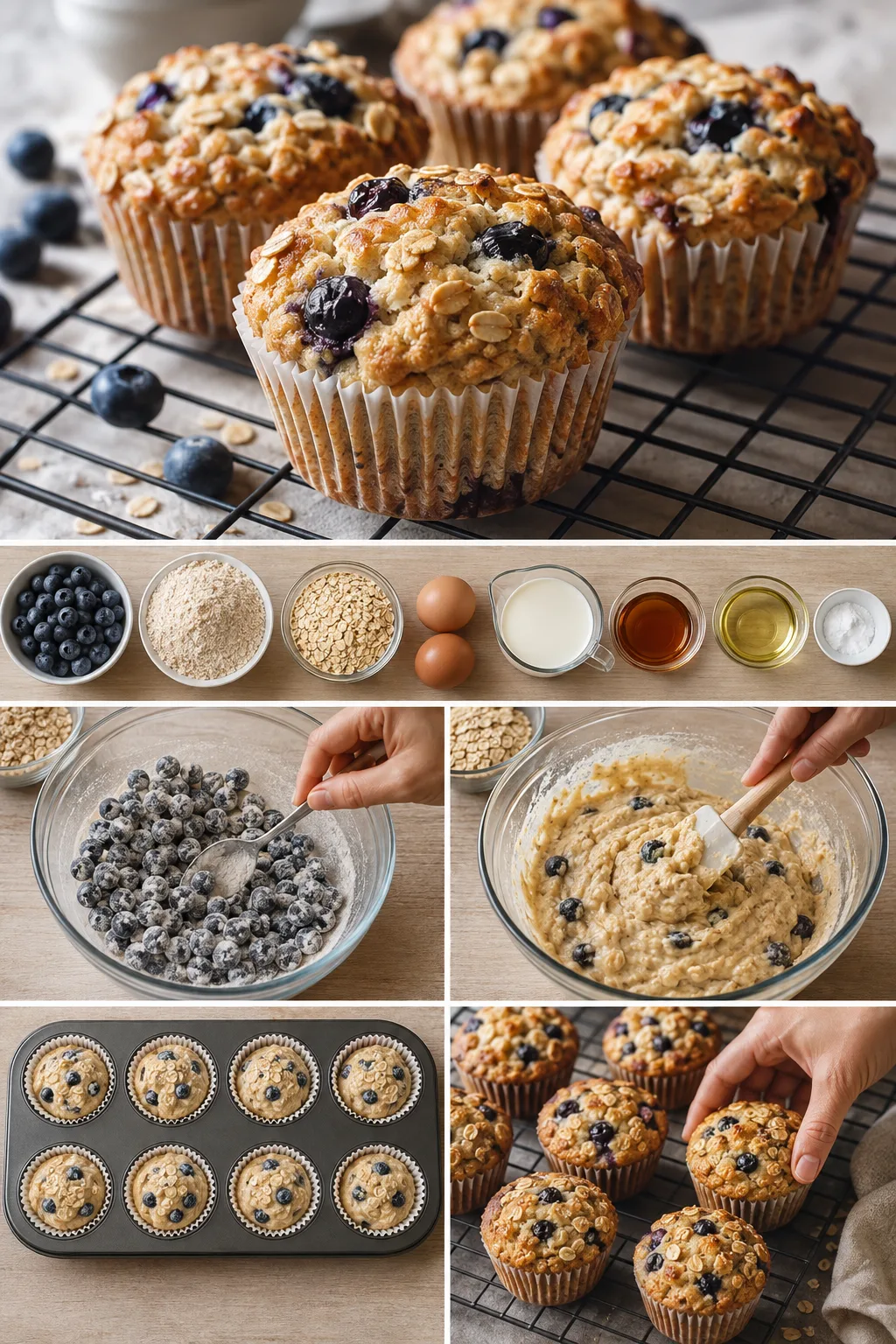
Blueberry Muffins: a lighter American recipe with a clear doneness check
American Blueberry Muffins for eight: coat dry berries lightly, fold the batter only until streaks disappear, and bake in evenly filled cups. The measured formula uses blueberries, whole-wheat flour, rolled oats, eggs, and low-fat milk; the reliable finish is domed tops spring back and berries stay suspended. About 345 kcal per portion.
See the recipe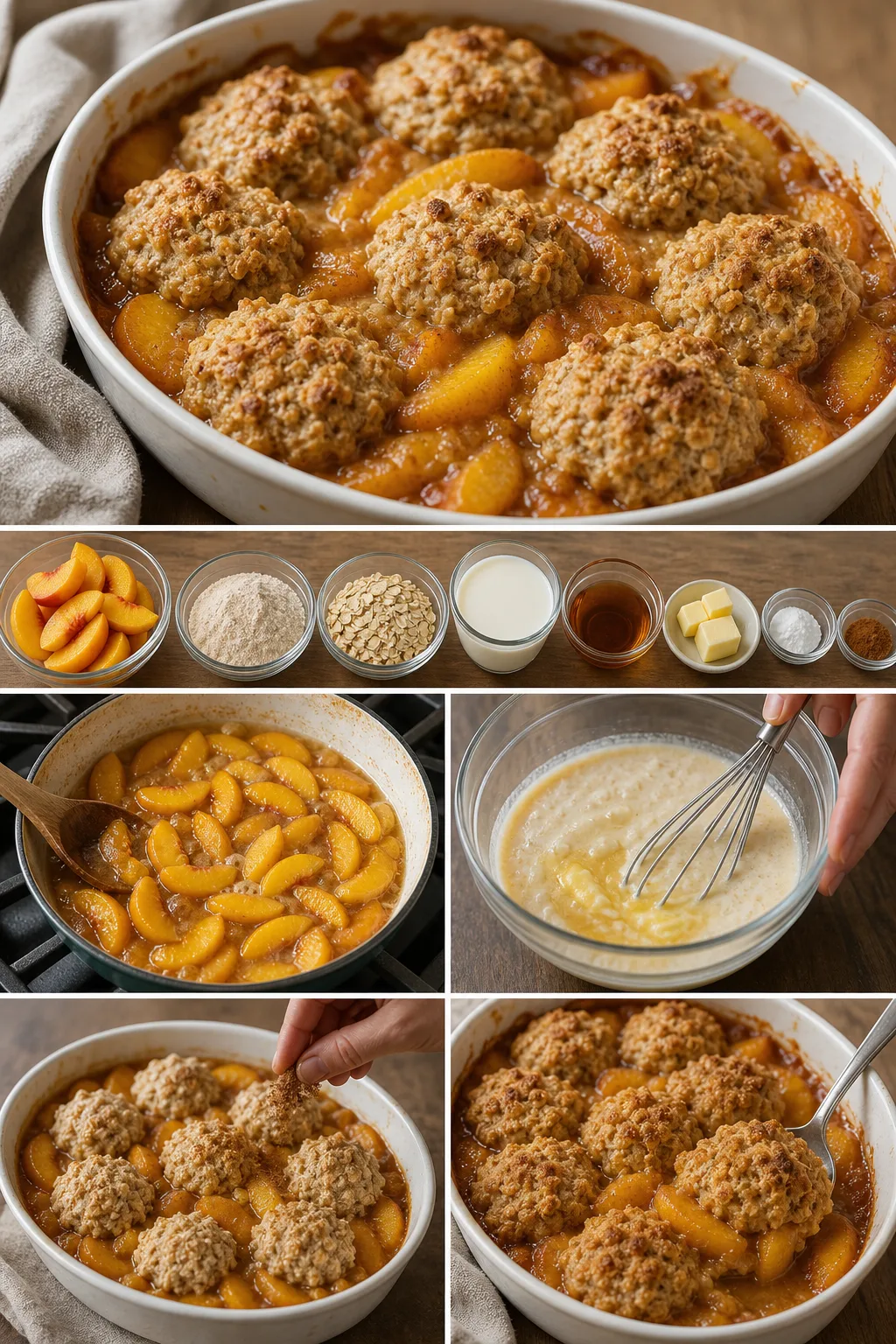
Peach Cobbler: a lighter American recipe with a clear doneness check
American Peach Cobbler for eight: reduce the peach juices first and spoon small biscuit mounds apart so steam can escape. The measured formula uses ripe peaches, whole-wheat flour, rolled oats, low-fat milk, and maple syrup; the reliable finish is the fruit bubbles thickly and each biscuit is dry beneath. About 345 kcal per portion.
See the recipe