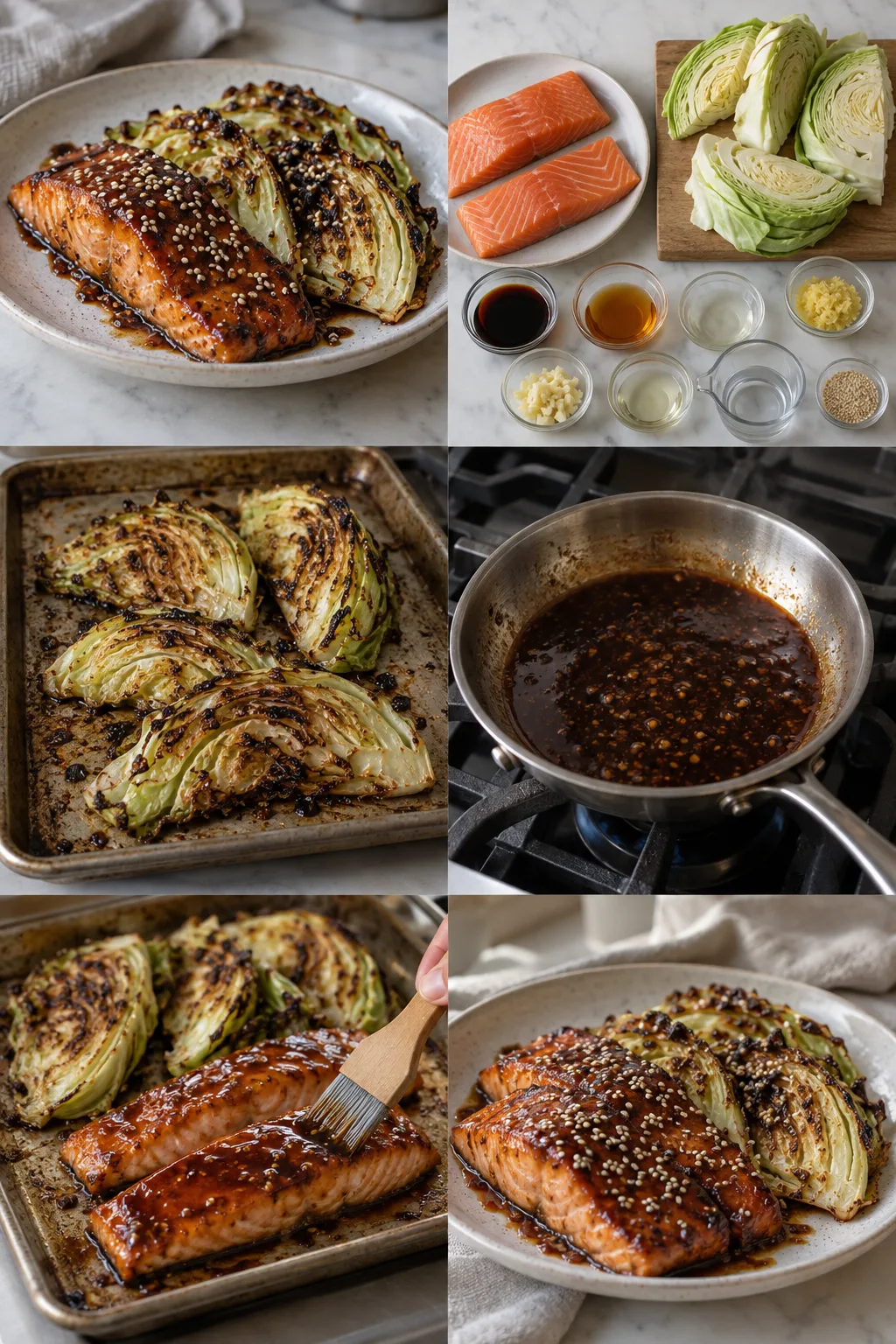
A lower-calorie way to make Teriyaki Salmon
Teriyaki Salmon With Sauce Reduced in the Pan, Not Poured From the Bottle
Make a small soy-ginger glaze, thicken it with its own reduction, and pair salmon with cabbage for a dinner near 415 calories.
Bottled teriyaki can turn a salmon dinner into a pool of sweet sauce. This version measures a quarter cup of homemade sauce for the entire meal and reduces it separately, so the flavor sits on the fish instead of soaking the vegetables. Cabbage roasts until its edges darken and supplies bulk without another rice-sized portion.
What changes—and what stays
From conventional 590 calories in a comparison serving with a generous bottled teriyaki glaze and a large rice portion to 415 calories
Reduce 2 tbsp soy sauce, 1 tbsp maple syrup, ginger, garlic, and water to a 1/4-cup glaze for two fillets, brushing only at the end. Soy brings salinity, ginger and garlic add aromatic heat, and maple syrup supplies just enough sugar for lacquer. Reducing before brushing prevents the cabbage from swimming in sauce.
| Part | Conventional | Lighter | Why |
|---|---|---|---|
| Core method | More added fat or a heavier proportion | Reduce 2 tbsp soy sauce, 1 tbsp maple syrup, ginger, garlic, and water to a 1/4-cup glaze for two fillets, brushing only at the end. | Soy brings salinity, ginger and garlic add aromatic heat, and maple syrup supplies just enough sugar for lacquer. Reducing before brushing prevents the cabbage from swimming in sauce. |
How the flavor stays
Soy brings salinity, ginger and garlic add aromatic heat, and maple syrup supplies just enough sugar for lacquer. Reducing before brushing prevents the cabbage from swimming in sauce.
A cost rule that survives inflation
Cabbage is sturdy, stores well, and fills the same sheet pan. The sauce uses small pantry quantities, avoiding a single-purpose bottle.
Ingredients for 2
Measure first; timing is part of how this recipe uses less fat.
- 2 fillets (10 oz/284 g total)salmon fillets
- 12 oz (340 g)green cabbage, 1-inch wedges
- 2 tbsp (30 ml)reduced-sodium soy sauce
- 1 tbsp (20 g)maple syrup
- 1 tbsp (15 ml)rice vinegar
- 1 tbsp (12 g)fresh ginger, grated
- 2 cloves (8 g)garlic, grated
- 1 tsp (5 g)neutral oil
- 1/4 cup (60 ml)water
- 2 tsp (6 g)sesame seeds
Method
Each step includes heat, a visible cue, and a recovery.
Step 1 · follow the visible cue
Char the cabbage before adding fish
Heat the oven to 450°F/232°C. Toss cabbage wedges with oil, place cut faces down on a rimmed pan, and roast 8 minutes without moving them.
Look for: The lower edges are deeply brown while the wedge centers still hold together.
Step 2 · follow the visible cue
Reduce a measured sauce
Meanwhile, simmer soy sauce, maple syrup, vinegar, ginger, garlic, and water in a small skillet for 4 to 6 minutes. Stir frequently as the volume falls.
Look for: The sauce measures about 1/4 cup and leaves a narrow path when a spatula crosses the pan.
Step 3 · follow the visible cue
Roast salmon mostly plain
Turn the cabbage, add dry salmon fillets, and roast 6 to 8 minutes. Brush each fillet with one quarter of the glaze and roast 2 minutes more.
Look for: The glaze is shiny rather than burned, and the salmon center reaches 145°F/63°C.
Step 4 · follow the visible cue
Use the remaining glaze by the teaspoon
Rest salmon 3 minutes. Divide cabbage and fish, spoon the remaining glaze evenly over both plates, and finish with measured sesame seeds.
Look for: The glaze clings in a thin film with no dark sauce pool underneath the salmon.
Calories at the same serving size
187 kcal · 31% lower estimated
The estimate uses the listed ingredients divided into 2 servings. Brand labels, trimming, and the amount left in the pan can change the result.
Keep the leftovers in the same spirit
Refrigerate up to 2 days. Store extra glaze separately and bring it to a boil before serving; reheat salmon gently to avoid drying the flakes.
Refrigerate up to 2 days. Store extra glaze separately and bring it to a boil before serving; reheat salmon gently to avoid drying the flakes.
Frequently asked questions
Why is my teriyaki sauce still watery?
Use a wide small skillet, not a deep saucepan, and keep it at a steady simmer. Judge by measured volume and the spatula trail, not only by time.
Can I use regular soy sauce?
Yes, but start with 1 1/2 tablespoons and add 1 1/2 tablespoons water. Taste the finished reduction before adding more salt.
- salmon fillets2 fillets (10 oz/284 g total)
- green cabbage, 1-inch wedges12 oz (340 g)
- reduced-sodium soy sauce2 tbsp (30 ml)
- maple syrup1 tbsp (20 g)
CaloNote · mobile analysis example
Check the Teriyaki Salmon serving you actually made
Photograph the finished plate in CaloNote, review the detected ingredients and portion, and correct the estimate before saving.
This uses the real CaloNote meal-detail layout with this recipe’s photo and estimated nutrition. Actual AI results vary with the photo and portion.
Analyze my meal in CaloNoteMethod and sources
Recipe development and nutrition review: CaloNote Editorial
This editorial recipe uses ingredient-level nutrition estimates and reviewed cooking principles. It is not represented as physically test-cooked, and nutrition is approximate.
Published and last reviewed: August 25, 2026
Make another familiar dinner lighter
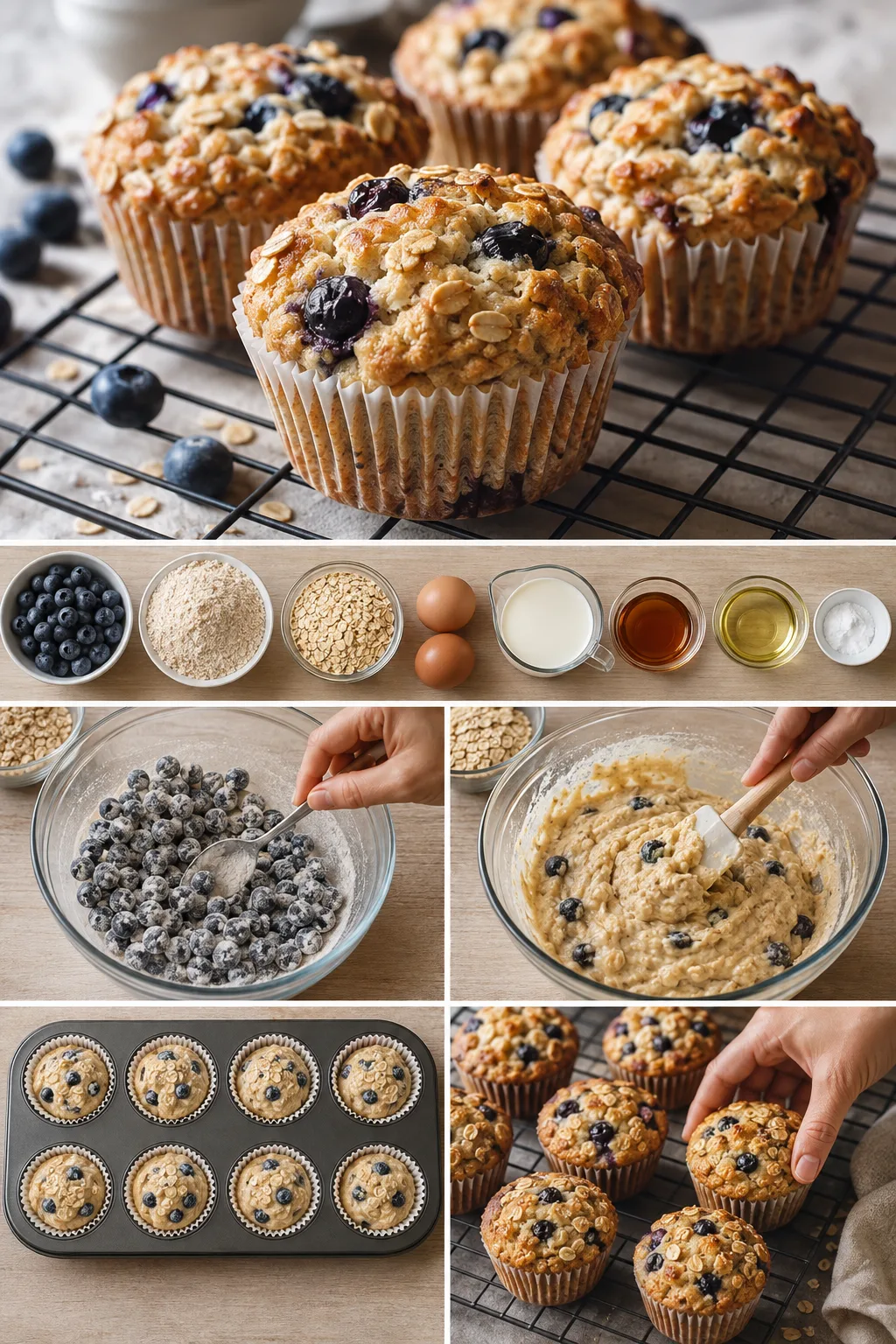
Blueberry Muffins: a lighter American recipe with a clear doneness check
American Blueberry Muffins for eight: coat dry berries lightly, fold the batter only until streaks disappear, and bake in evenly filled cups. The measured formula uses blueberries, whole-wheat flour, rolled oats, eggs, and low-fat milk; the reliable finish is domed tops spring back and berries stay suspended. About 345 kcal per portion.
See the recipe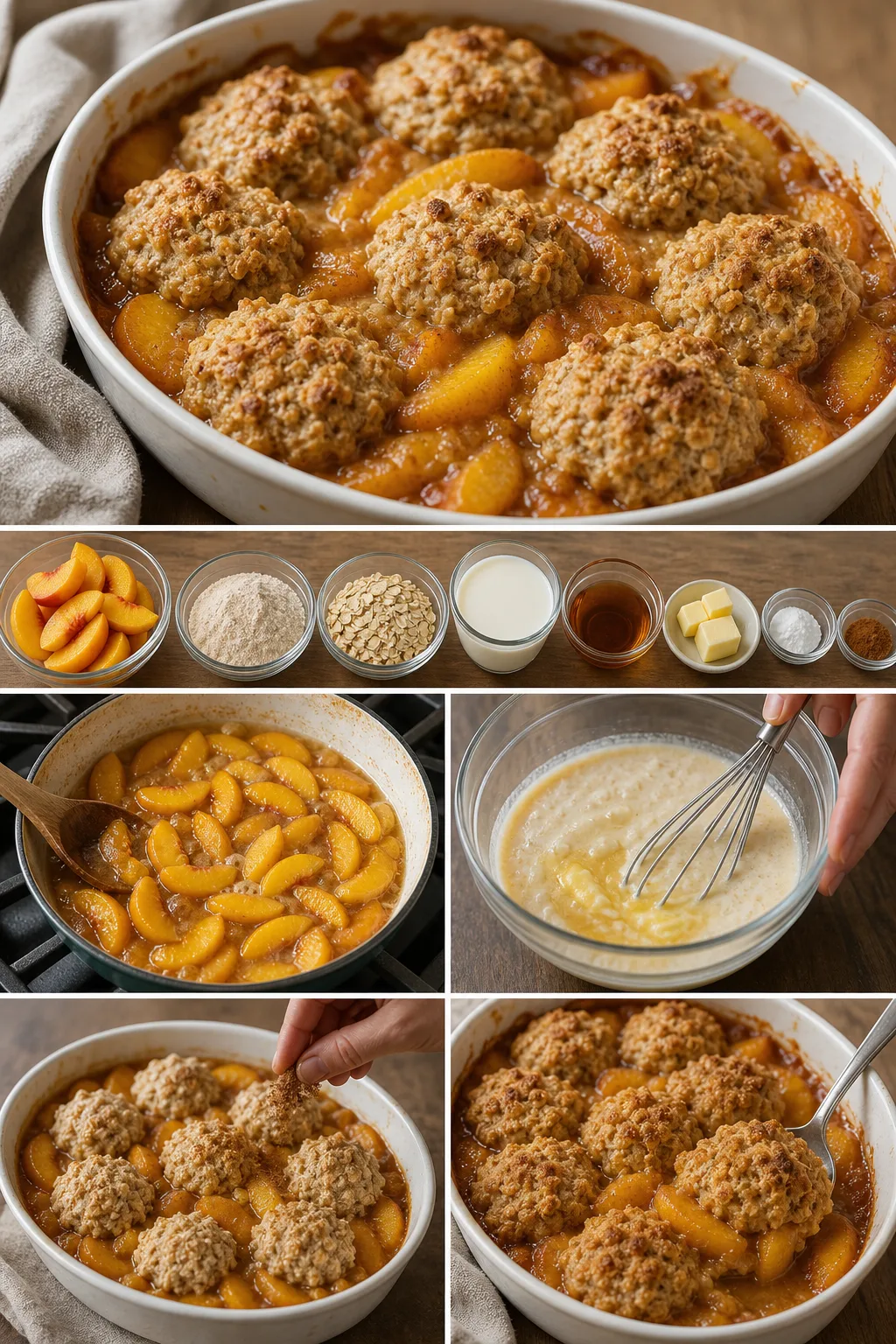
Peach Cobbler: a lighter American recipe with a clear doneness check
American Peach Cobbler for eight: reduce the peach juices first and spoon small biscuit mounds apart so steam can escape. The measured formula uses ripe peaches, whole-wheat flour, rolled oats, low-fat milk, and maple syrup; the reliable finish is the fruit bubbles thickly and each biscuit is dry beneath. About 345 kcal per portion.
See the recipe