DUMBBELL Y RAISE
Train controlled overhead shoulder-blade movement with a light dumbbell Y raise.
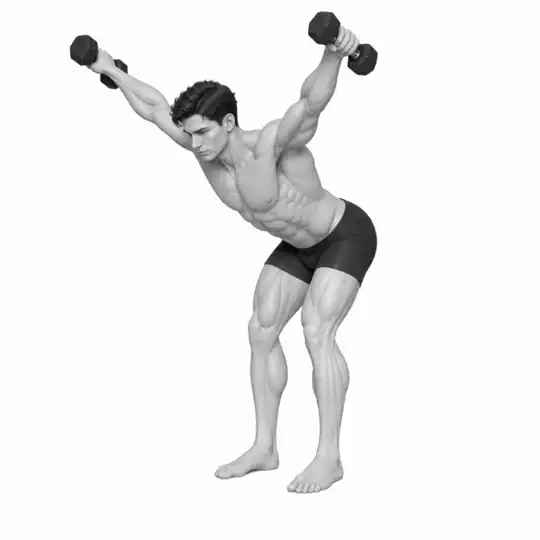
Hold a light dumbbell in both hands and slightly bend your upper body or stand upright. Hold it with your thumb facing up (neutral grip). Open your arms diagonally in front of you about 45 degrees and raise them to form a ‘Y’ shape. At this time, focus on feeling your shoulder blade (scapula) being pressed down. Pause briefly at the top, then slowly and controlledly return to the starting position.
- Primary muscles
- Lower Trapezius · Lateral Deltoid
- Secondary muscles
- Anterior Deltoid · Serratus Anterior
- Difficulty
- Intermediate
- Movement type
- Shoulder Abduction and Elevation
How is it different from a front raise?
Front raises raise the arms straight out in front, while Y raises raise them at a 45-degree diagonal to improve engagement of the lower trapezius muscles.
STEP BY STEP
4 Steps for One Complete Rep
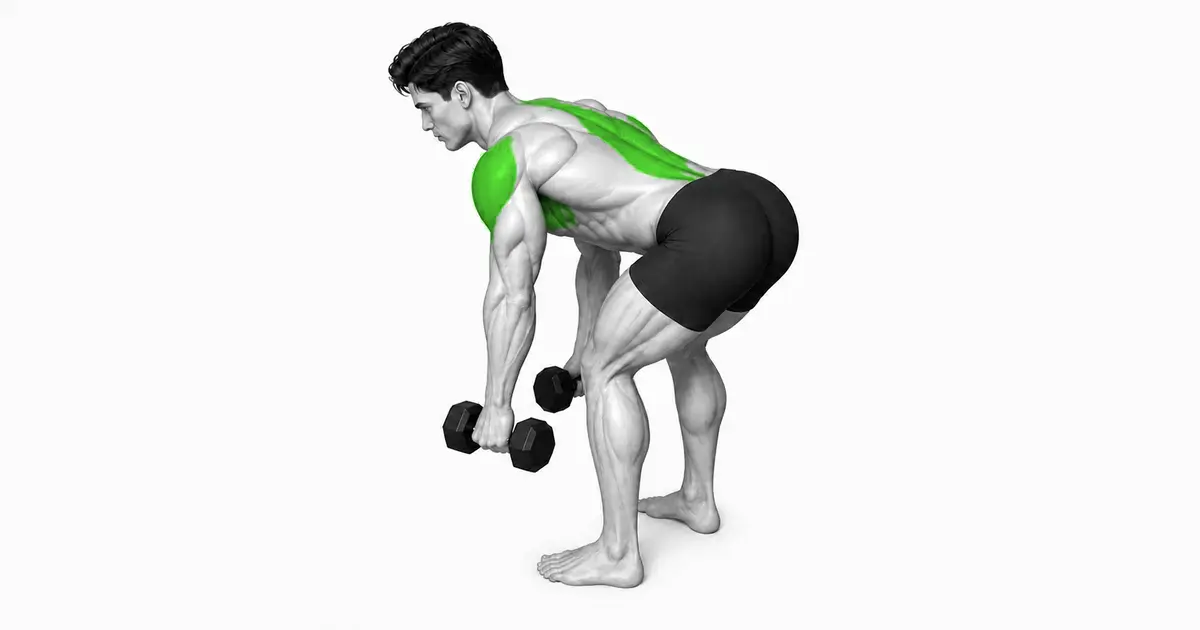
- 1
Ready posture
Hold light dumbbells and either stand up straight or lie down on a bench. Point your thumbs upward.
- 2
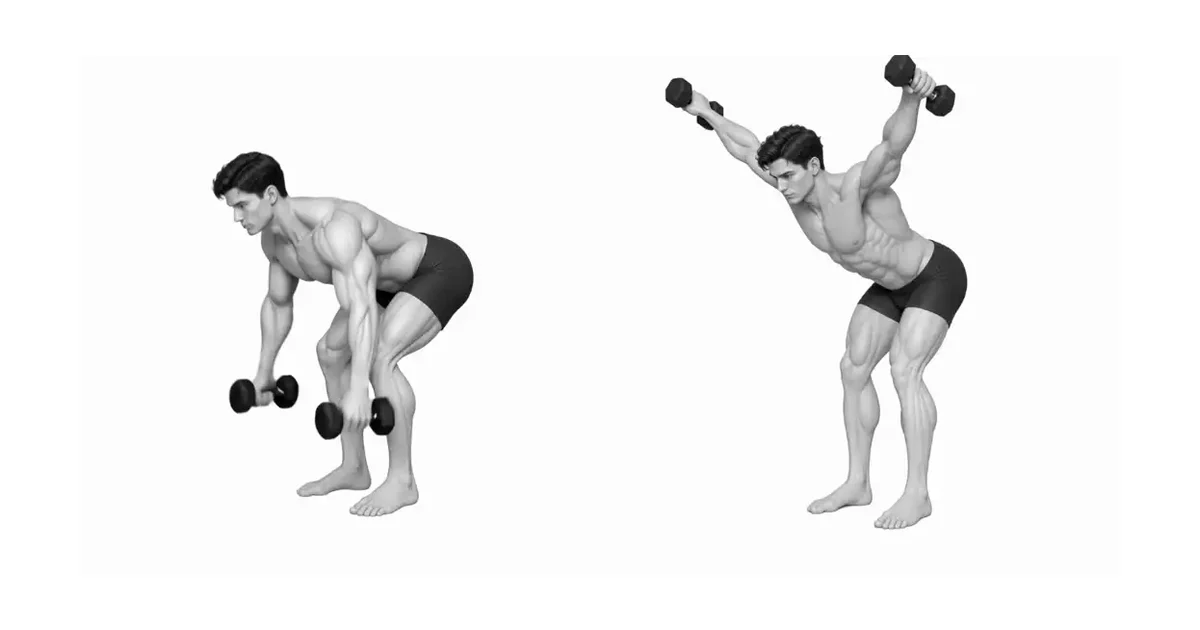
Y-shaped lift
Raise your arms diagonally forward. Make sure your entire body forms a ‘Y’ shape.
- 3
Apex Contraction
At the highest point, pause while feeling a strong stimulation of the lower trapezius muscle and the back of the shoulder.
- 4
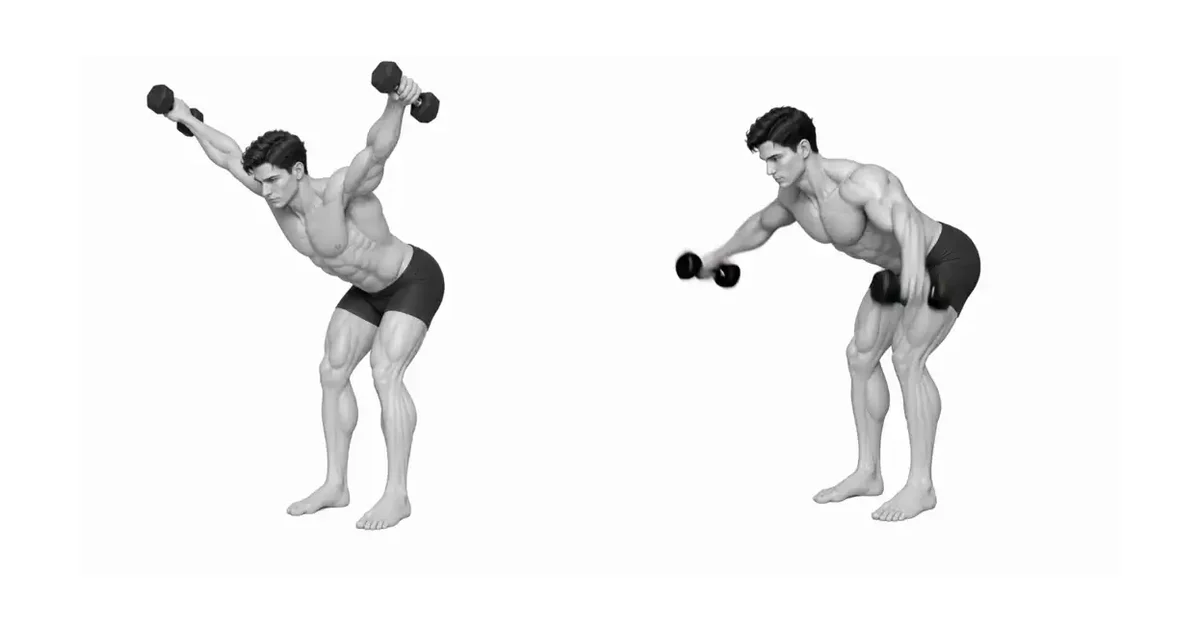
Slow down
Slowly lower your arms while controlling the weight. Maintains shoulder stability.
SCAPULAR HEALTH
The key to shoulder health, lower trapezius muscle
In modern people, the upper trapezius muscle is often overly tense, while the lower trapezius muscle is weak. Y raises selectively strengthen weakened lower trapezius muscles and encourage proper movement of the scapula.
This plays a very important role in preventing shoulder impingement syndrome and improving postural imbalances such as forward-head posture or round shoulders. Focus on precise stimulation rather than heavy weight.
RANGE, LOAD & TEMPO
Choose a range and load that keep the Dumbbell Y Raise repeatable
The useful range of motion ends before your torso or working joints have to change position to move the load. Keep the lower trapezius · lateral deltoid producing the movement while the anterior deltoid · serratus anterior support the same alignment from the first repetition to the last.
Use a controlled lowering phase of about two to three seconds and avoid bouncing through the transition. If the final repetitions become shorter, faster, or visibly different from the first, reduce the load or stop the set before technique breaks down.
Key point: Progress the Dumbbell Y Raise only after every repetition follows the same path without joint pain.
TROUBLESHOOTING
Fix the cause of a mistake, not just its appearance
Use of excessive weight
- What you see
- Movements that involve shaking the torso or overusing the upper trapezius muscle when raising the arm.
- Likely cause
- Weight that the target muscle, the lower trapezius, cannot handle.
- How to correct it
- Start with very light dumbbells or bodyweight and learn the correct muscle movements first.
Shrug
- What you see
- A phenomenon in which the shoulder is pulled toward the ear when raising the arm.
- Likely cause
- Compensatory action of the upper trapezius muscle.
- How to correct it
- Perform by pressing down on your shoulder blades, feeling like you are keeping your shoulders away from your ears.
REGRESSION & PROGRESSION
Match the difficulty before adding load
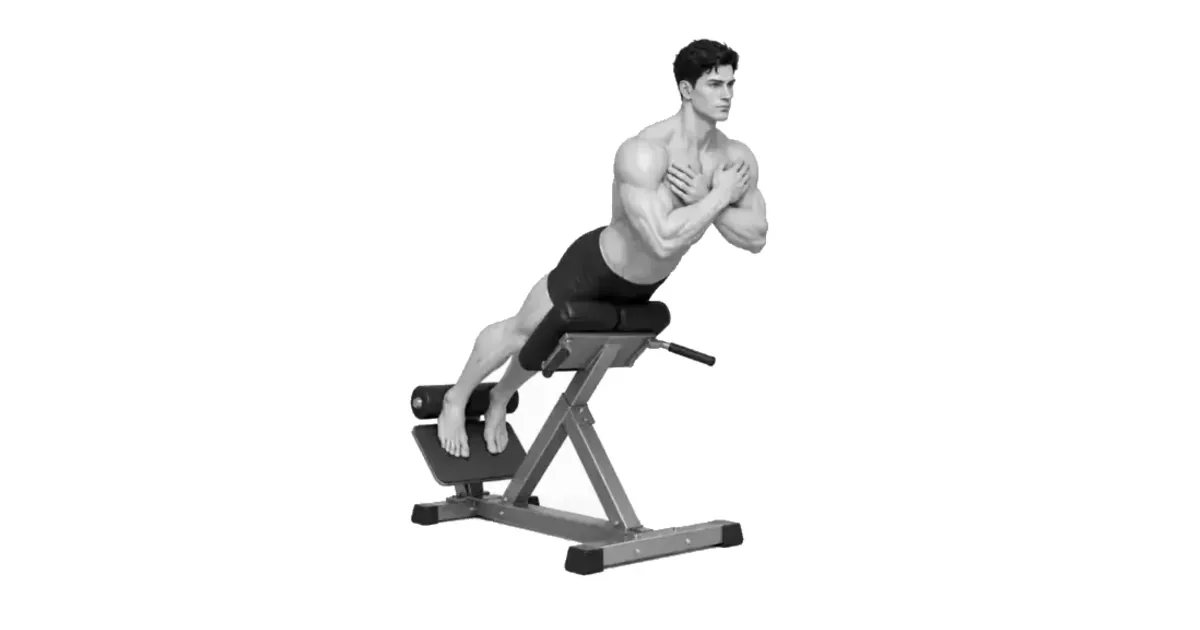
Incline Bench Y Raise
Performing this exercise lying prone on an incline bench strengthens the lower trapezius muscles by more directly resisting gravity.
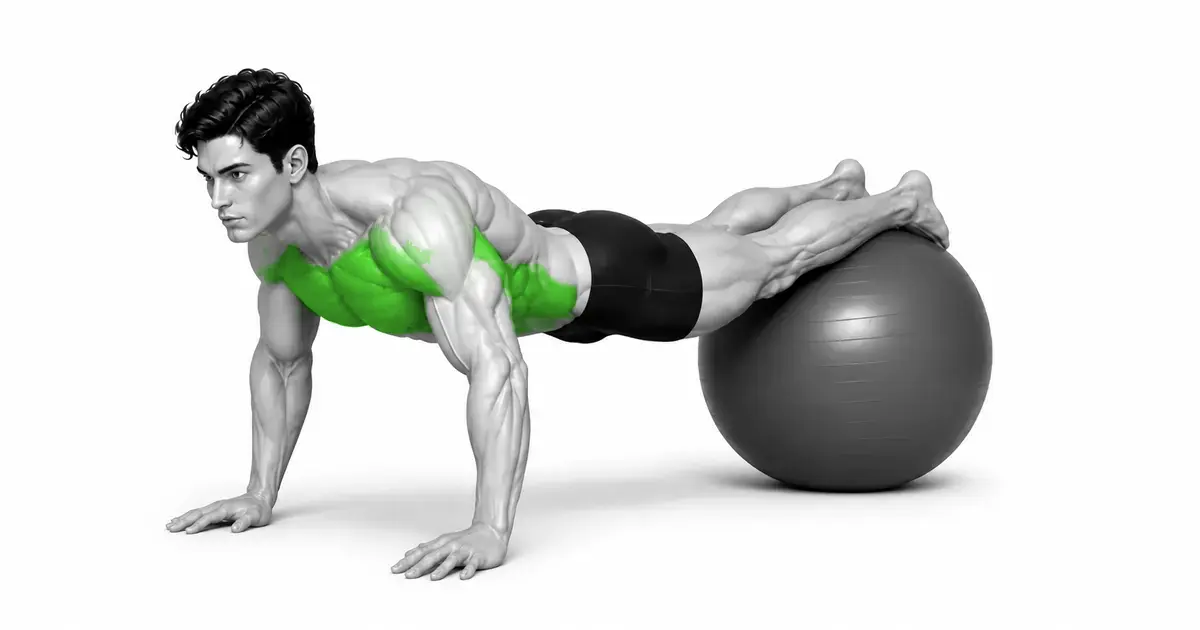
Gym Ball Y Raise
Lie down on an exercise ball to train core stability at the same time.
BEGINNER PROGRAM
A practical starting framework
Use very light dumbbells or body weight first, and increase resistance only when the Y path stays smooth and pain-free.
Frequency
2-3 times a week
Include as a corrective exercise in your warm-up phase or at the end of your routine.
Volume
3 sets, 15-20 times
Activate your nervous system and strengthen your posture-maintaining muscles through high repetitions.
- Always keep your thumbs pointing towards the sky.
- Do this with your elbows straight and not bent.
- Don't forget to pause for 1-2 seconds at the top.
Frequently asked questions
Is it effective even if I use it with my bare body?
Yes, if you perform with the correct posture, you can feel enough stimulation of the lower trapezius muscle even with your bare body.