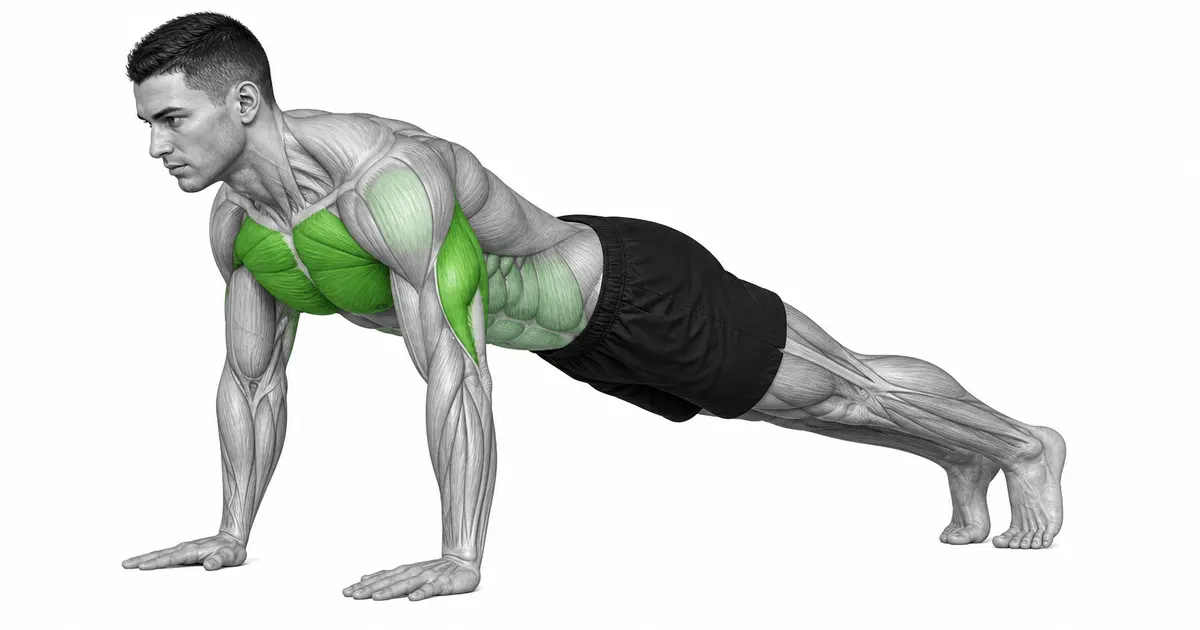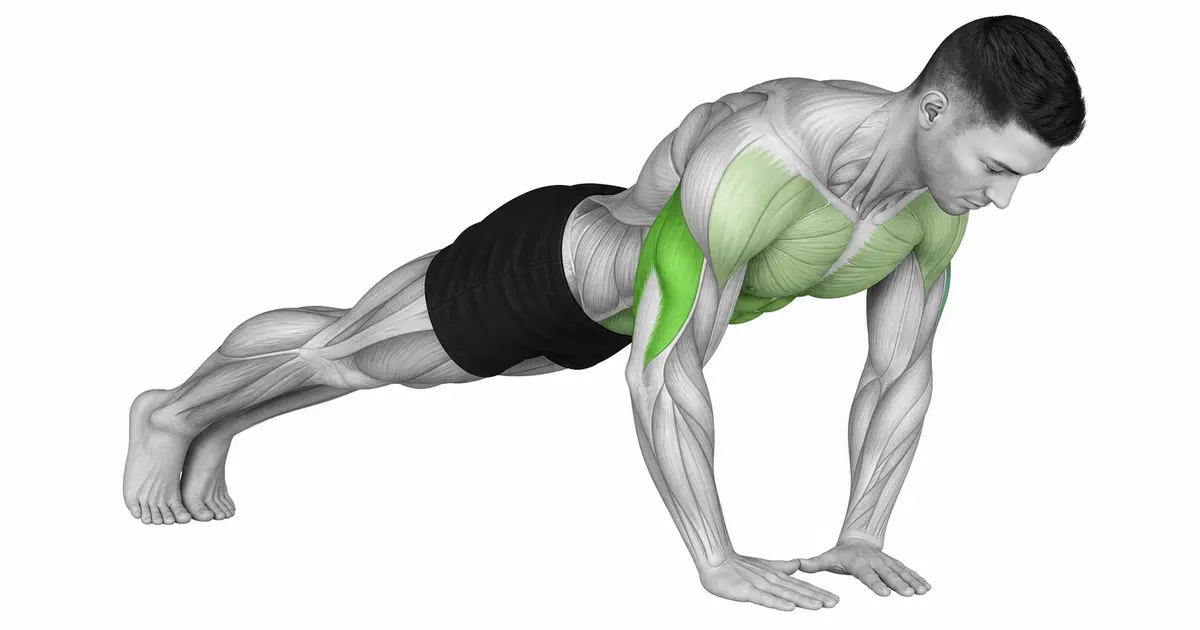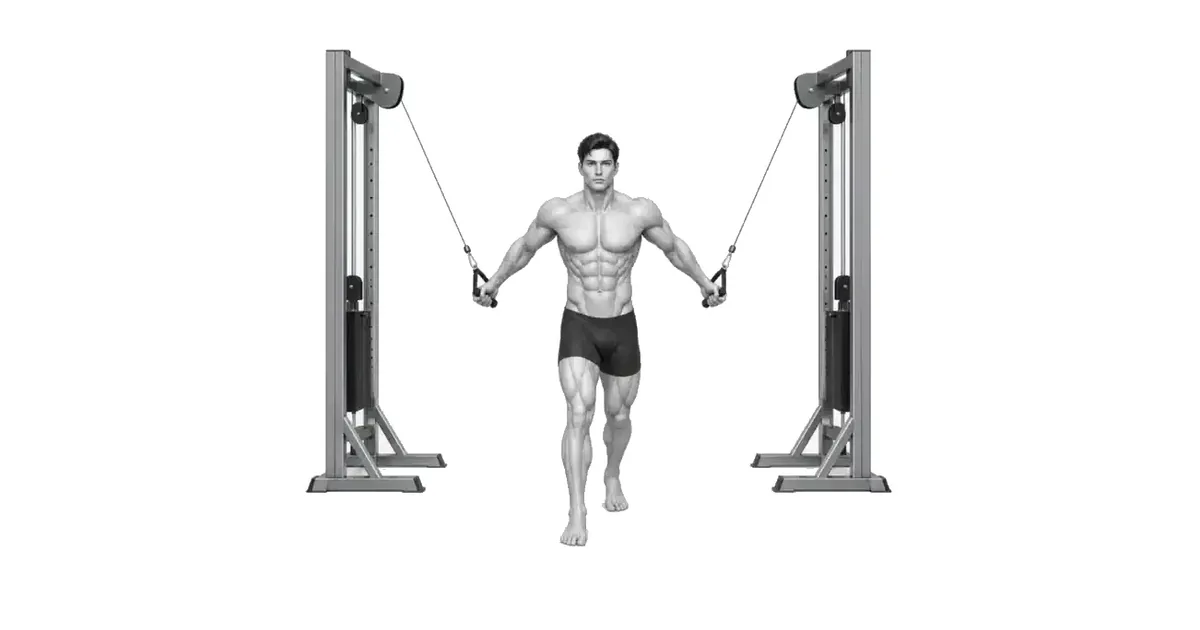
STEPMILL
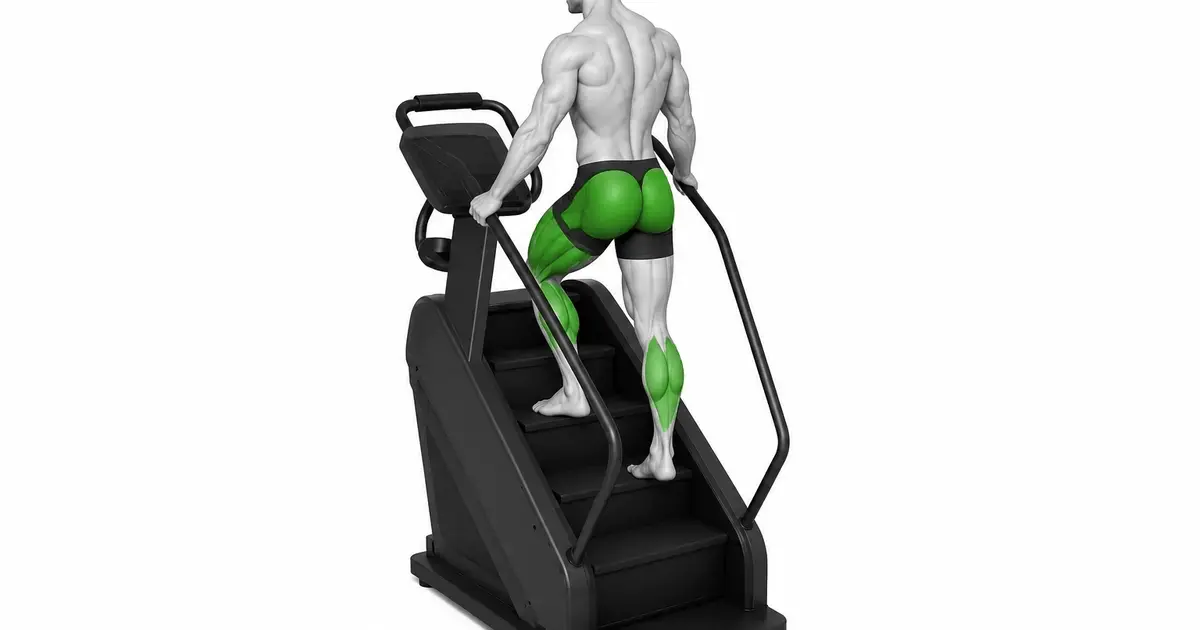
Stepmill is not an exercise in which you hang your body on a handrail and quickly climb stairs, but rather a high-intensity aerobic exercise in which you press down on each step with your entire foot and maintain the height of your torso and pelvis.
Climbing continuously moving stairs increases the cardiopulmonary and lower body load rapidly even at low speeds. If you place your weight on the handrail or only place the front of your foot on the edge of the stairs, it will be difficult to properly control the intensity of the exercise and may cause you to trip. Check the emergency stop location and direction of stairs at the lowest speed, and learn the rhythm of moving your next foot after putting your entire foot on the stepping surface.
- Primary muscles
- Gluteus maximus, quadriceps femoris
- Secondary muscles
- Hamstrings, calves, hip flexors, core
- Difficulty
- Intermediate
- Movement type
- Continuous Stair Climbing
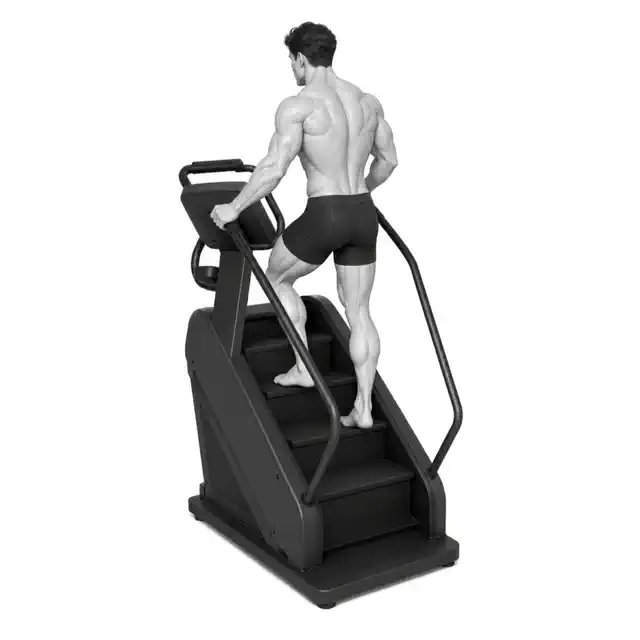
Is there no exercise effect if I hold the handle?
It is okay to hold lightly for balance, but hanging your body weight will change the load on your lower body and your posture. If you have to hold on to it to hold on, slow down.
STEP BY STEP
4 Steps for One Complete Rep
- 1
Check minimum speed and emergency stop
When the stairs are stopped, hold on to the handrail and climb up according to the manufacturer's instructions. Check the safety stop button and boarding and disembarking procedures.
- 2
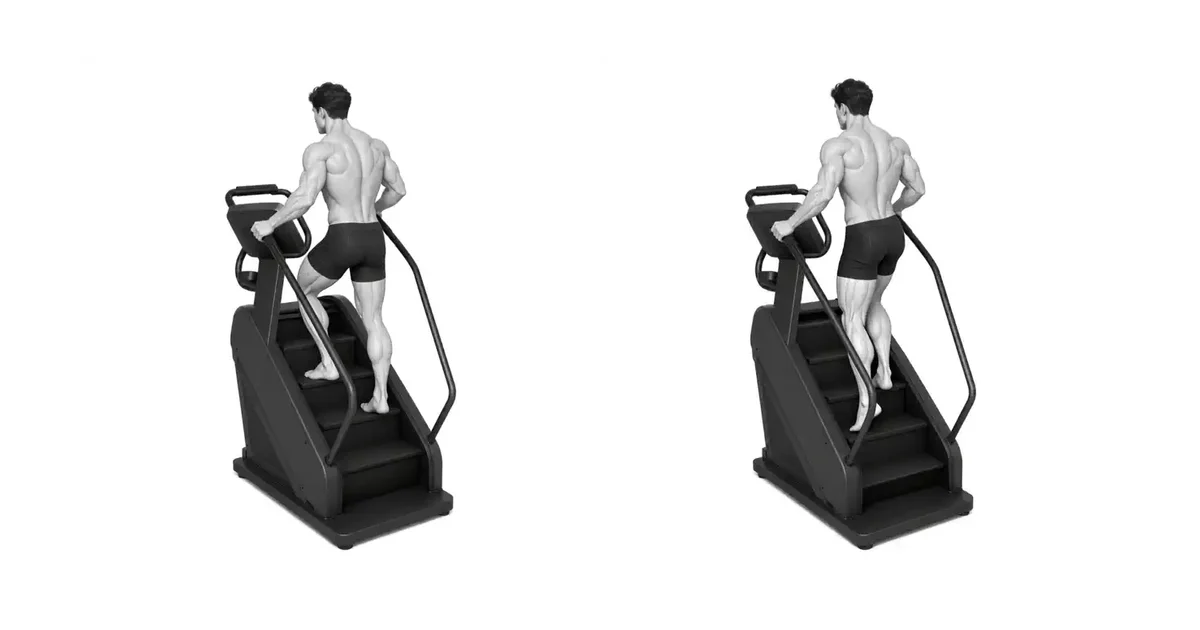
Place your entire foot in the center of the stairs
Raise your entire foot so that your heel is the only step left. Keep your knees toward your toes and avoid shaking your pelvis from side to side.
- 3
Raise your torso and climb stairs one at a time
Hold the handle lightly for balance and lift your weight with your legs. Don't skip stairs or cross your feet.
- 4
Slow down to a complete stop
Slow down to minimum speed and check for stair movement before exiting. While holding the handle, descend in the order of the manufacturer.
PLACE THE WHOLE FOOT
Make sure your entire foot is centered on the stairs so you can push steadily with your glutes and lower body.
Wearing only the front of your foot increases the strain on your calves and increases the risk of slipping. Move your feet forward far enough before going down the stairs.
If you're going too fast and don't have time to put your whole foot down, slow down immediately.
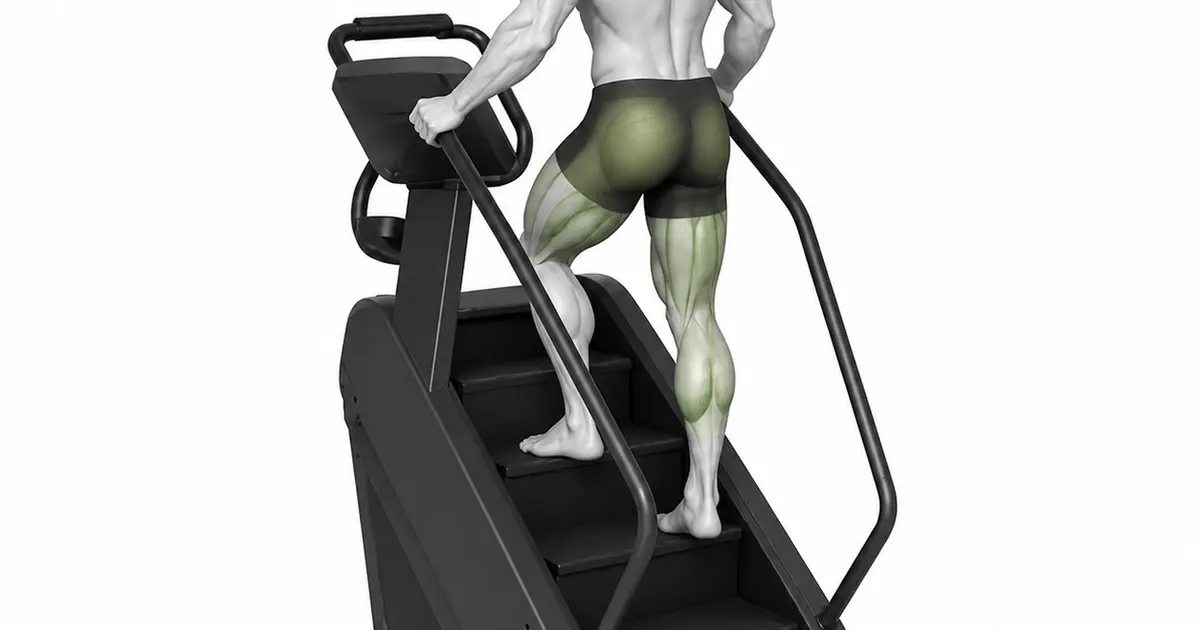
Key point: Cue to use right away: “Full foot, one step at a time, light hands”
STAND OVER THE STEP
Allows the pelvis to move over the step rather than leaning against the console
Supporting your body with your arms will vary between the displayed intensity and the actual strain on your lower body. Keep your torso upright and use the handle only as much as necessary.
Avoid excessively bending your back or pressing your knees with your hands.
TROUBLESHOOTING
Fix the cause of a mistake, not just its appearance
Suspend weight on handle
- What you see
- Elbows locked, upper body lies forward, feet only follow the steps.
- Likely cause
- Speed is higher than stamina.
- How to correct it
- Slow down and return to an intensity that allows you to maintain the position even if you release your hands briefly.
Only the front part of the foot steps on stairs
- What you see
- My heels stay out and my calves feel like they are burning quickly.
- Likely cause
- Short strides or unable to keep up with speed.
- How to correct it
- Slow down to allow time to center your entire foot.
Skipping or sideways climbing stairs
- What you see
- Your feet will cross and your pelvis will rotate significantly, increasing your risk of slipping.
- Likely cause
- Uses complex transformations to increase strength.
- How to correct it
- Go back to the default pattern of going up one step at a time from the front.
REGRESSION & PROGRESSION
Match the difficulty before adding load
Interval Training
improves calorie consumption efficiency by repeating high and low intensity.
Increased time and resistance
Strengthen your stamina by increasing performance time or increasing the resistance level of the machine.
BEGINNER PROGRAM
A practical starting framework
Start with short bursts of 5 to 15 minutes or intervals of 30 to 60 seconds. Increase the time only to the extent that handgrip dependence and footing do not change.
Frequency
3~5 times a week
If your goal is to lose body fat, it is important to do it consistently.
Volume
20~40 minutes
Gradually increase the time according to your fitness level.
- Do this while drinking plenty of water.
- Protect your joints through light stretching before and after exercise.
Frequently asked questions
Can I go up two stairs at a time?
Can be used at lower speeds by experienced users who have reliably performed the basic single step pattern, but for general aerobic purposes, one step at a time is sufficient.
Can I leave my heels outside the stairs?
If possible, it is more stable to place your entire foot on the stepping surface. Even if the stairs are short, adjust your position and speed so that your heel does not leave much space.