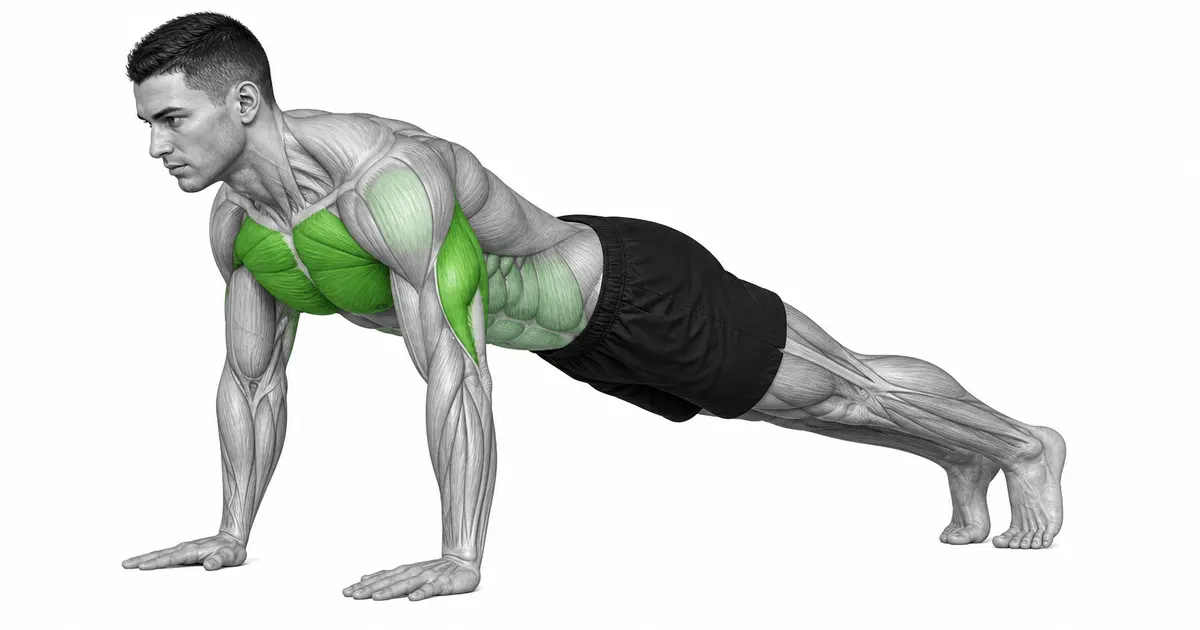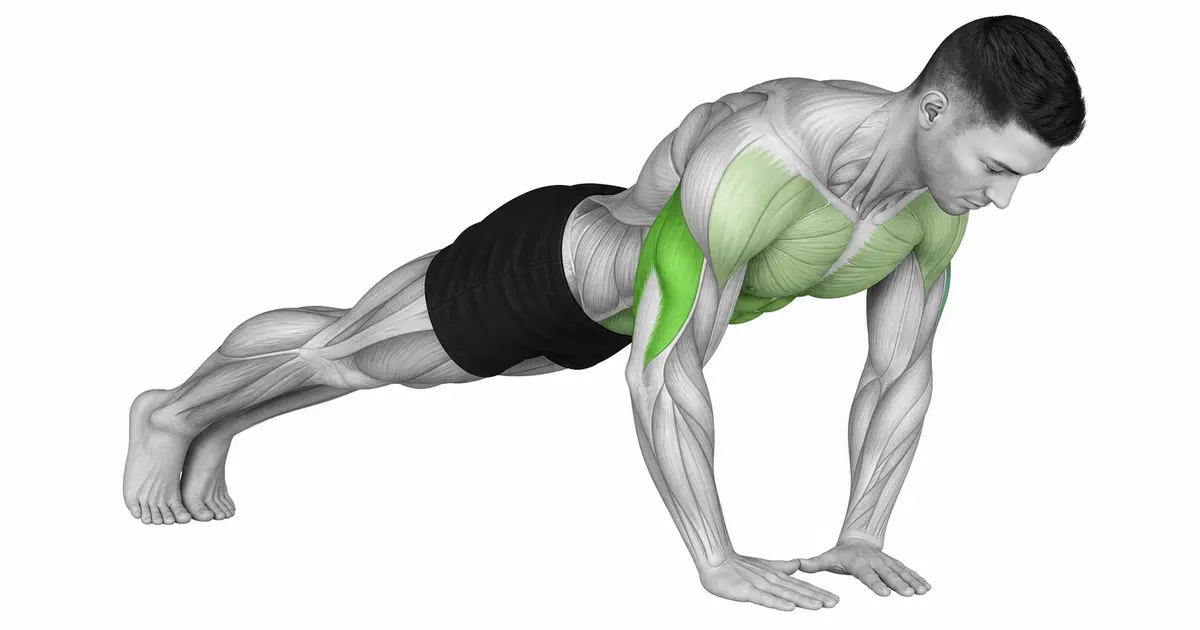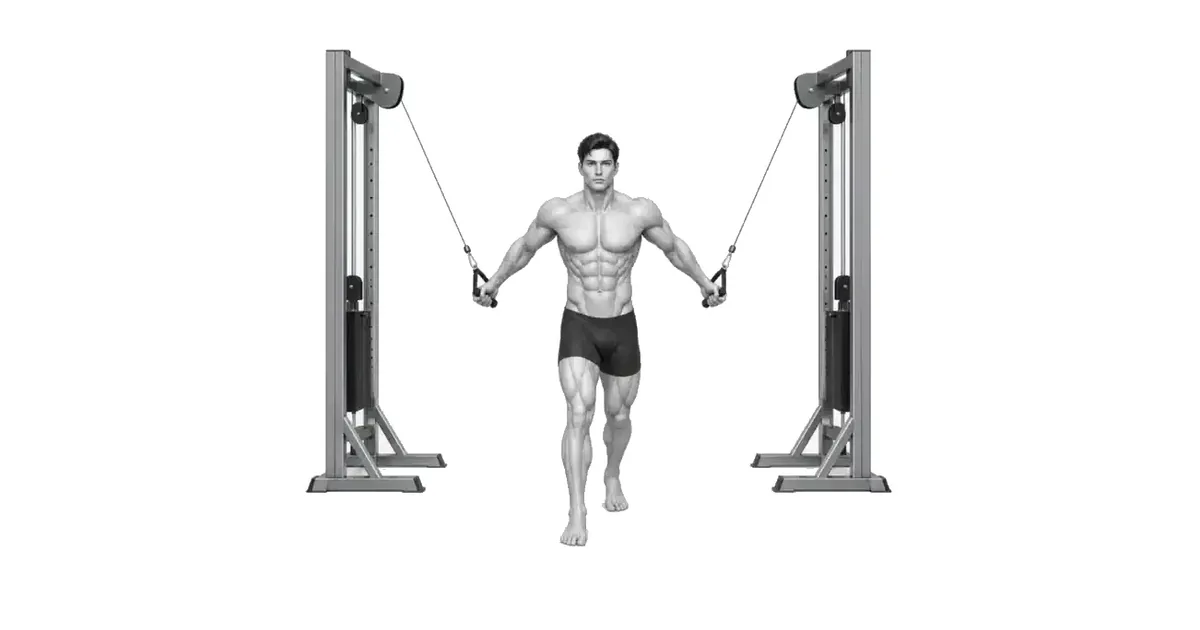
WIDE STANCE SQUAT
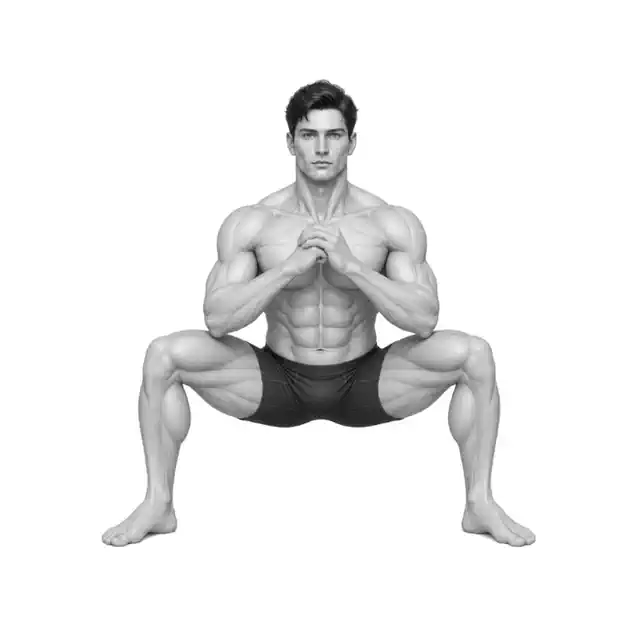
Wide stance squat is not an exercise where you spread your feet as much as possible, but rather a squat where your knees and toes are aligned at the width that your hip joints allow.
Placing your feet wider than a regular squat will place different demands on your adductors and hip joints, but forcing width and toe angles can pinch your groin or collapse the inside of your feet. Start with a width that allows your entire foot to remain on the floor and your knees to follow the direction of your toes.
- Primary muscles
- Gluteus maximus, quadriceps femoris, adductors
- Secondary muscles
- Hamstrings, gluteus medius, calves, core
- Difficulty
- Intermediate
- Movement type
- Wide stance squat
How wide should your feet be spread?
The width is appropriate so that the entire foot is together, the knees remain in the direction of the toes, and the hip joints are comfortable.
STEP BY STEP
4 Steps for One Complete Rep
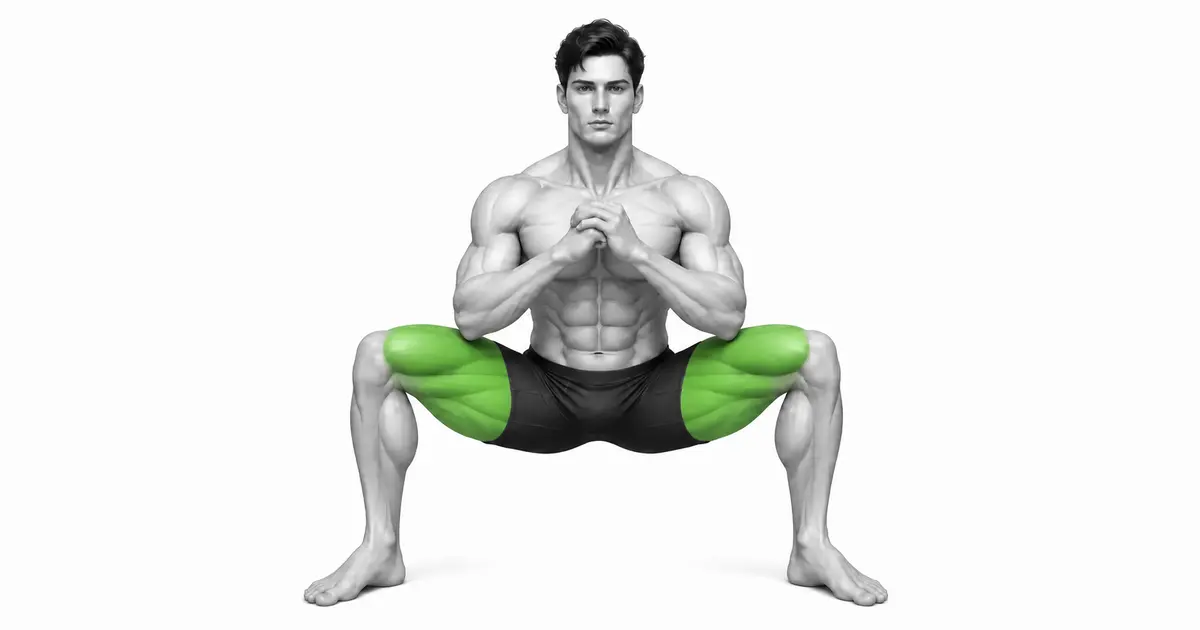
- 1
Find a comfortable stance and toe angle
Place your feet wider than shoulder width and turn your toes out. Find a width where all three points of your feet touch the floor without pinching your groin.
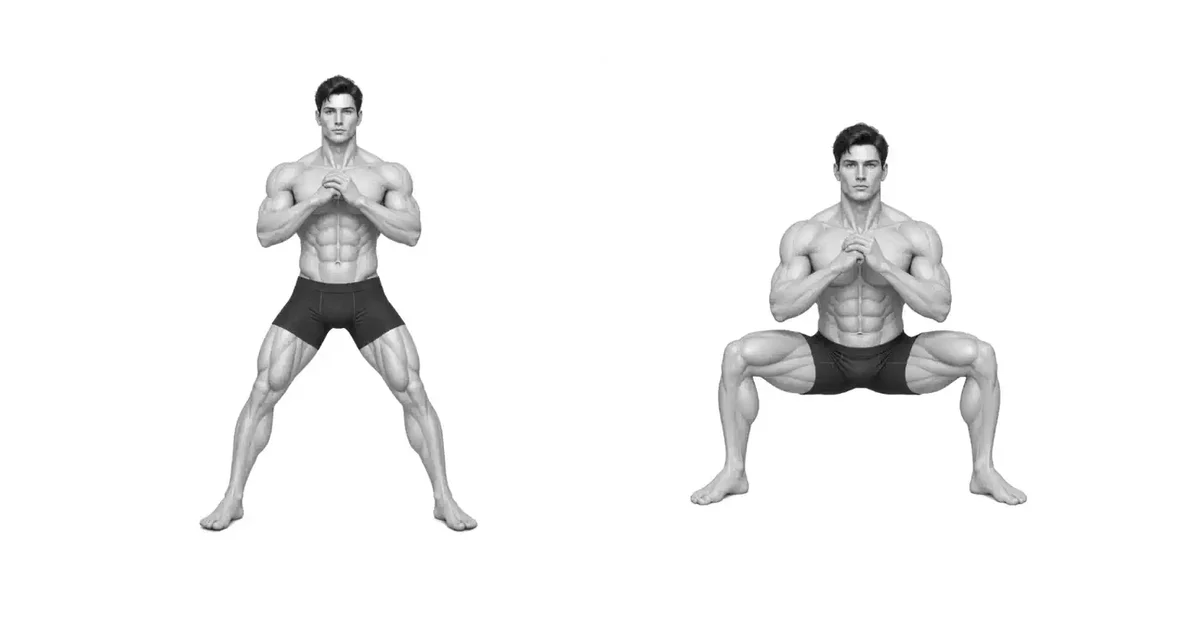
- 2
Create abdominal pressure and foot pressure
Overlap your ribs and pelvis, tighten your abdominals, and press your entire foot into the floor. Your knees should point toward your toes.
- 3
Lower your pelvis between your feet
Inhale and bend your knees and hips together. Stop at a depth before your pelvis shifts to one side or your lower back curls.
- 4
Stand up by pushing the floor to both sides
Push the entire foot forward with the feeling of spreading the footrest, straightening the knee and hip joints together. Do not overlock your knees at the top.
STANCE WIDTH
Width determines whether the hips and feet are stable rather than foot spacing.
Hip joint structure and range of motion vary from person to person. Widening it does not make your pelvis deeper and can actually pinch your joints.
If the inside of the foot rises or the knee moves in, it is a sign that the width or toe angle is not correct.
Key point: Cue to use right away: “Press your entire foot down and your knees follow your toes.”
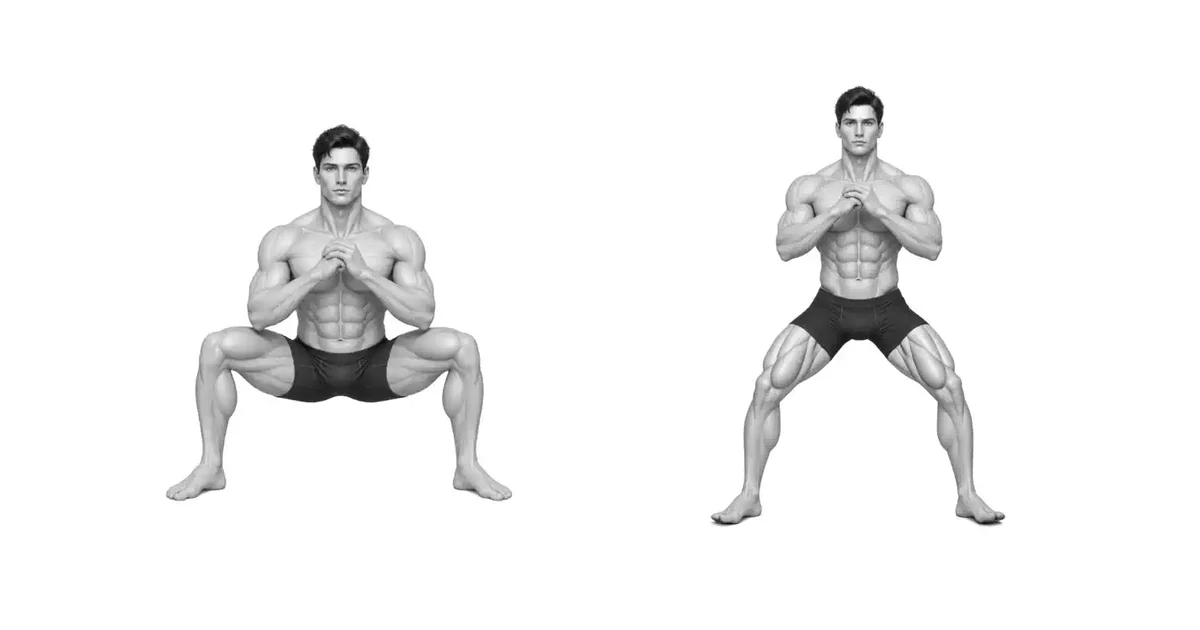
COMFORTABLE DEPTH
Distinguish between gentle tension in the groin and stinging sensations in the joints
You may feel your adductors getting longer, but if the front of your hip joint is pinched or your groin is hurting, don't go down any further.
Using the box height, it is easy to check whether the left and right sides stop at the same depth and the pelvis moves to one side.
TROUBLESHOOTING
Fix the cause of a mistake, not just its appearance
Widen your stance as much as possible
- What you see
- The inside of the foot floats and the hip or groin becomes stuck.
- Likely cause
- I thought the wider it was, the greater the stimulation to the adductor muscles.
- How to correct it
- Reduce the width to a point where your entire foot and pelvis are comfortable.
Knees collapse into toes
- What you see
- Knees are brought together during descent and ascent.
- Likely cause
- Toe angle/width or load does not match.
- How to correct it
- Bring your knees towards your second toe and reduce the depth and weight.
Pelvis shifts to one side
- What you see
- At the bottom, one hip is lower and the torso is tilted.
- Likely cause
- The range of motion of the left and right hip joints is different or goes down too far.
- How to correct it
- Use the box and repeat only to a height that maintains symmetry.
REGRESSION & PROGRESSION
Match the difficulty before adding load
Wide stance weight transfer
Check foot pressure and hip range.
Box Wide Squat
Learn symmetrical depth and knee paths.
Bodyweight wide squat
Repeats the same speed and range.
Goblet Wide Squat
Add load when alignment is maintained.
BEGINNER PROGRAM
A practical starting framework
In the warm-up exercise, make sure your hip joints and groin are comfortable by moving light weight, and then record the volume separately from the regular squat.
Count
8–15 times
Descent 2-3 seconds, hold full foot
Set
2–4 sets
60–120 seconds recovery between sets
Frequency
1–2 times a week
Different squats and volume control
- If knee and toe alignment is maintained, increase the number of repetitions first.
- If you experience groin sting or foot lifting, reduce the width and depth.
- If the left and right depths are different, the range is limited to a box.
Frequently asked questions
Do I have to turn my toes all the way to the side?
No. Use a comfortable angle for your hips and keep your knees in the same direction.
Are they better for the adductors than regular squats?
Stimulus distribution may vary, but no one variant is absolutely superior. Choose based on your goals and joint comfort.