AIR SQUAT (TABATA)
Air Squat Tabata is not an exercise where you sit down a lot for 20 seconds, but is an interval that distributes the pace to maintain the same foot pressure, knee path, and depth throughout 8 rounds.
The traditional Tabata format consists of 20 seconds of exercise followed by 10 seconds of rest eight times for a total of 4 minutes. Even in bodyweight squats, the rest period is short, so it is easy for the torso to collapse and the knees to bunch inward in the second half. First, make sure you can perform 10 to 15 controlled air squats in a row, don't start the first round at full power, but choose a pace that will maintain a similar rep quality until the last round.
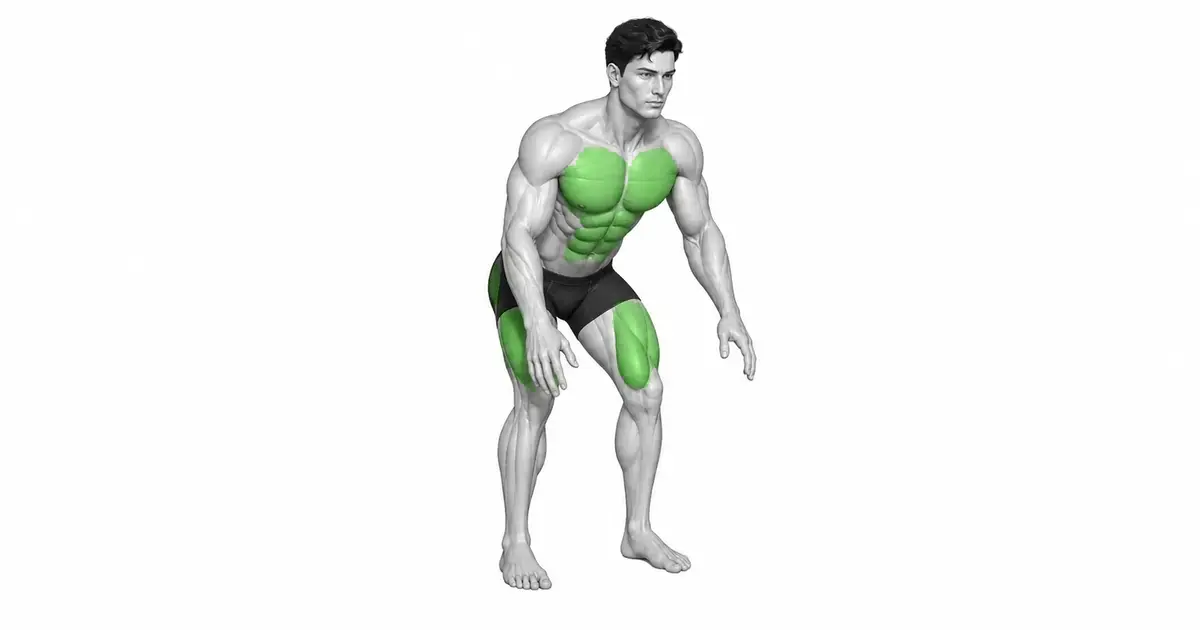
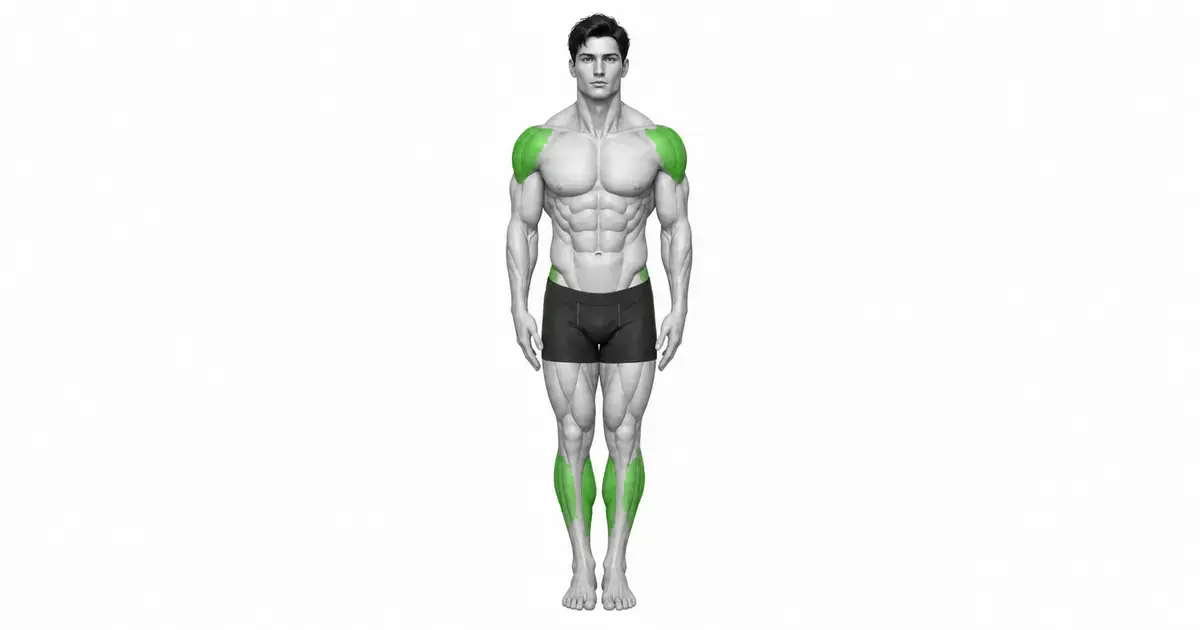
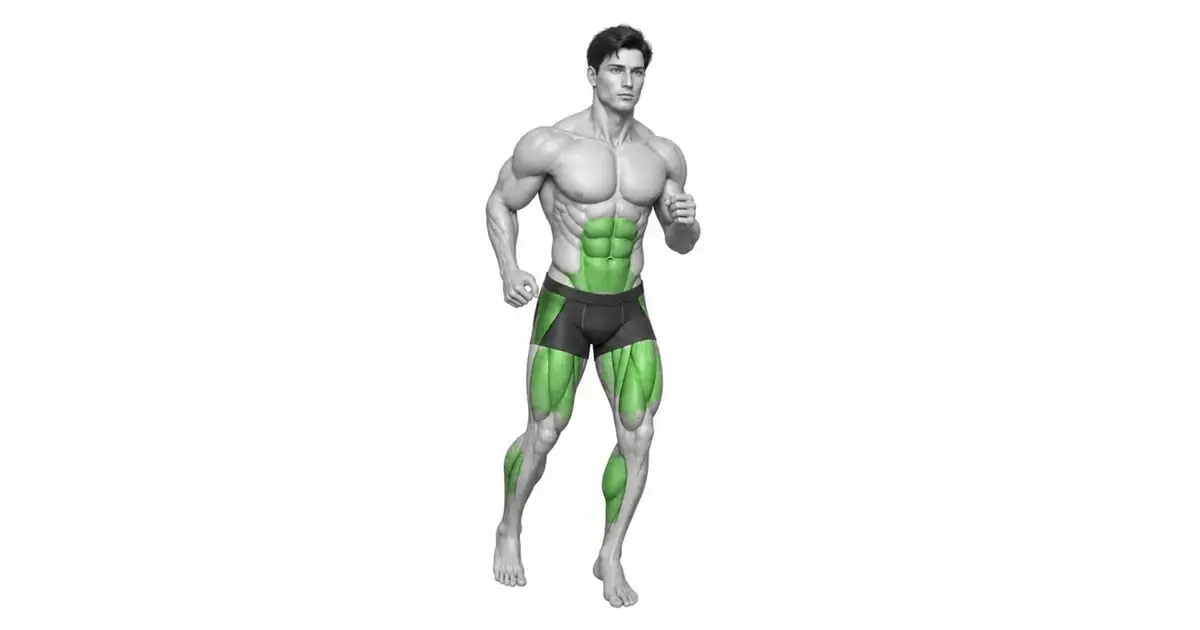
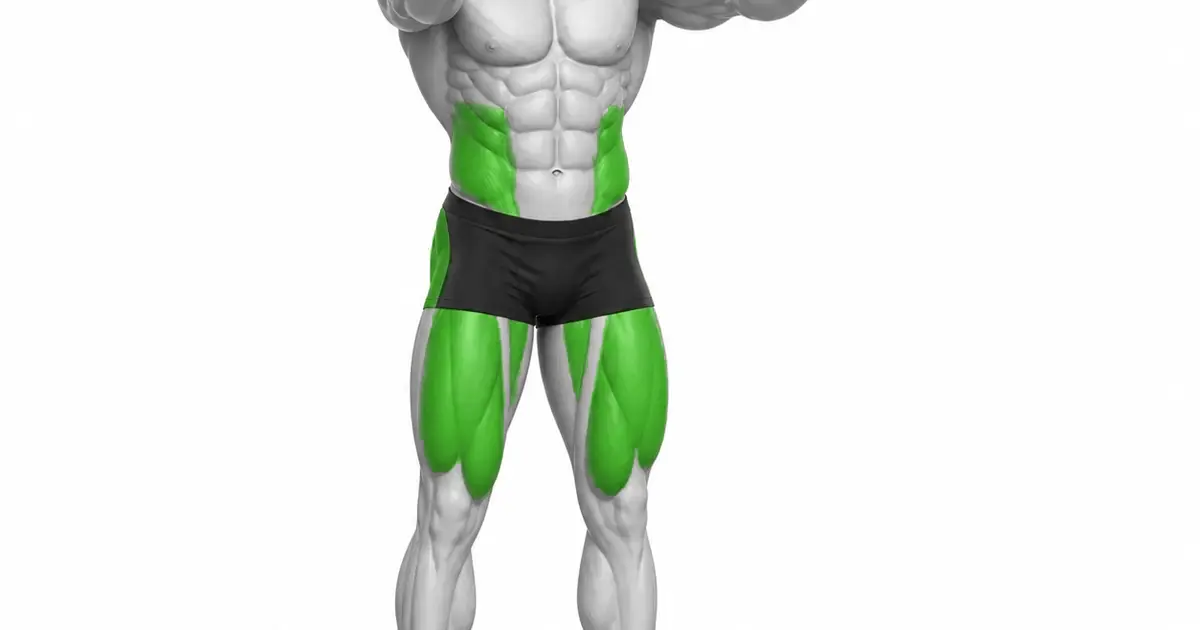
- Primary muscles
- Quadriceps and gluteus maximus
- Secondary muscles
- Hamstrings, adductors, calves, abdomen
- Difficulty
- Intermediate
- Movement type
- Bodyweight Squat High-Intensity Interval
Is Tabata necessarily 8 rounds of 20 seconds or 10 seconds?
The traditional format is yes. However, beginners can start with intervals that adjust the number of rounds or work/rest ratio for movement quality.
STEP BY STEP
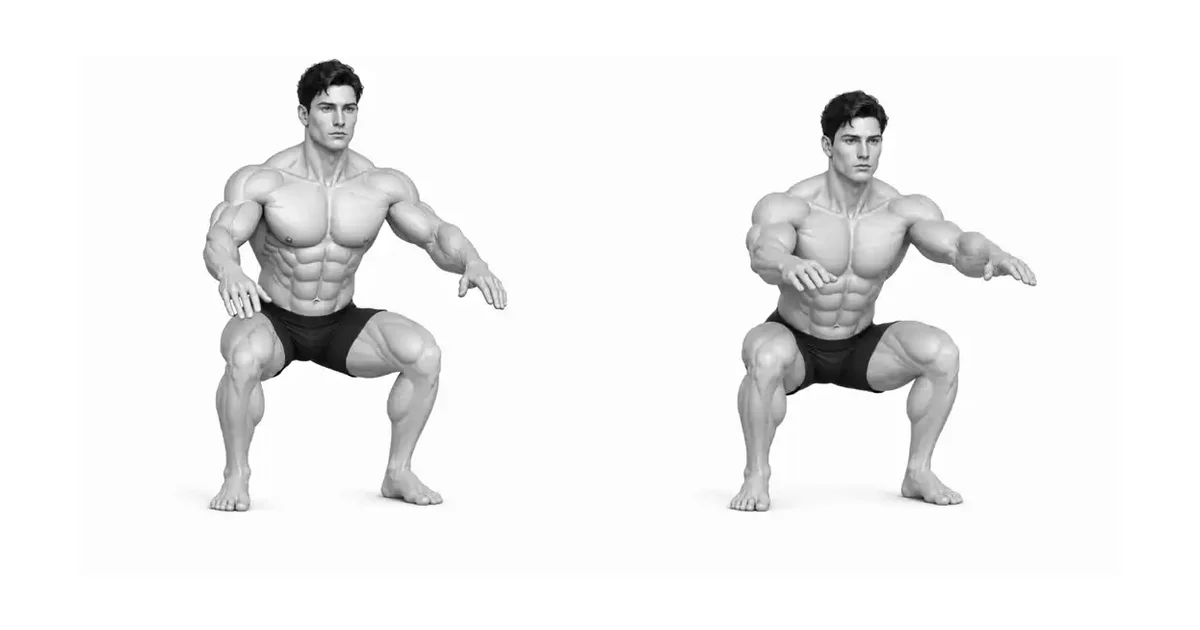
4 Steps for One Complete Rep
- 1
Setting a Timer and Squat Standard
Set the timer to 20 seconds exercise, 10 seconds rest, 8 rounds. Determine your foot position, controllable depth, and, if necessary, the height of the box for your hips to reach.
- 2
Starting the first round at a leisurely pace
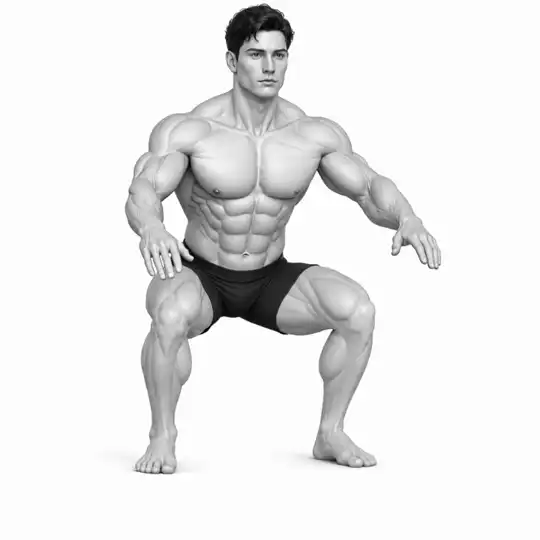
Press the foot tripod and sit down with your knees pointing toward your toes. When standing up, push the entire foot into the floor, stand completely, and then proceed to the next repetition.
- 3
Reset posture and breathing with 10 seconds of rest
Stand, breathe slowly and reposition your feet. Don't fall to the floor and get ready for the sound to start the next round.
- 4
Adjust speed and depth when quality decreases
If knee and torso alignment changes, slow down repetitions or raise box height. Stop the remaining rounds if you feel pain or dizziness.
PACE ALL EIGHT
Consistency over eight rounds is more important than maximum repetitions in the first 20 seconds
If the number of repetitions in the first round is twice the number of repetitions in the second round, then the starting speed is most likely excessive. Set a target range for each round.
The 10-second rest is short, so use it to breathe and restore foot position rather than changing positions or manipulating equipment.
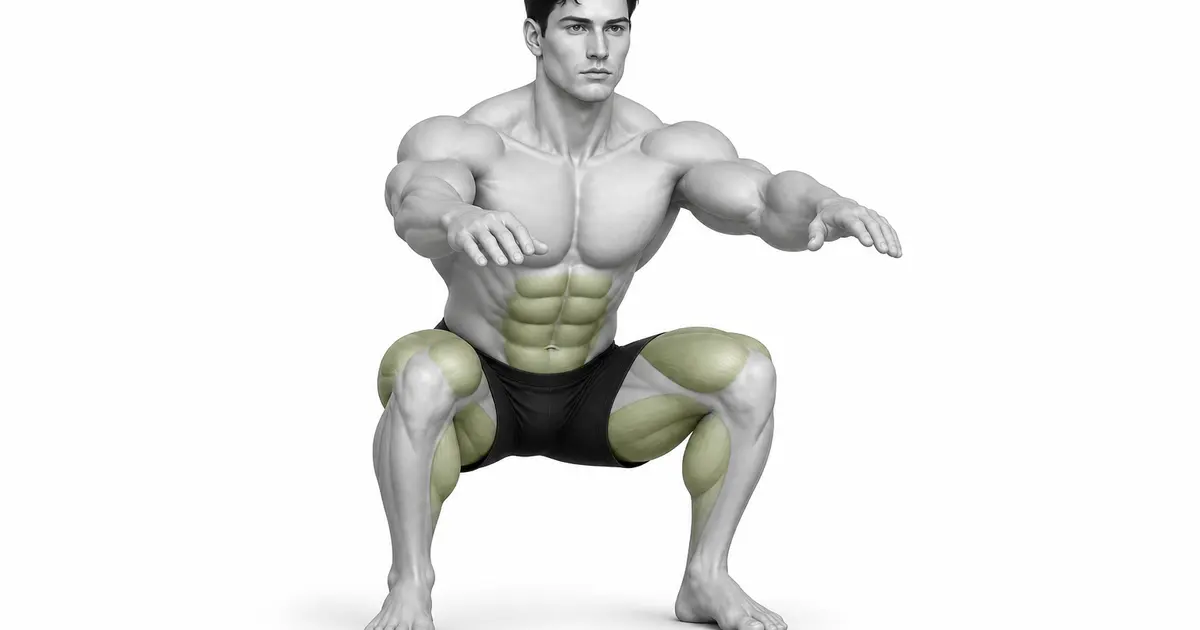
Key point: Cue to use right away: “Squeeze the first round and do the same squat until the end.”
KEEP YOUR STANDARD
Doesn't skip depth and full stand as you get more tired
Comparing rounds becomes meaningless if you don't bounce at the bottom or straighten your hips at the top to increase the number of reps.
If your current range of motion is shaky, use a box to even out the depth of each repetition.
TROUBLESHOOTING
Fix the cause of a mistake, not just its appearance
Starting the first round full steam ahead
- What you see
- Starting in rounds 3 and 4, reps plummet and body collapses.
- Likely cause
- The speed was based on only the first 20 seconds rather than the entire 4 minutes.
- How to correct it
- Lower first round target repetition and reduce variation between rounds.
The more tired you are, the more your knees move inward.
- What you see
- When I stand up, my knees go inside my big toes.
- Likely cause
- Foot pressure and hip control are weakened by fatigue.
- How to correct it
- Reduce your speed and depth and keep your knees toward your second and third toes.
Bouncing the bottom with recoil
- What you see
- The pelvis rolls up at the bottom and bounces up immediately, causing back and knee discomfort.
- Likely cause
- Priority on number of iterations is out of control.
- How to correct it
- Muscle control your changes of direction by using boxes or reducing depth.
REGRESSION & PROGRESSION
Match the difficulty before adding load
Time and Frequency Zoom
Gradually increase performance time or add more times per week.
Difficulty Variant
Challenge yourself with deeper ranges of motion or higher resistance.
BEGINNER PROGRAM
A practical starting framework
Tabata is a high-intensity form, so use it no more than 1-2 times a week while checking for recovery. Beginners can start with 4-6 rounds or 15 seconds on, 15 seconds rest.
Frequency
3 to 5 times a week
It is recommended to practice it as a habit in your daily life.
Volume
15~30 minutes
Please move sufficiently without putting too much strain on your body.
- Always check your condition first and do not overdo it.
- Practicing with joy and rhythm is the key to sustainability.
Frequently asked questions
Do I need to do max iterations every 20 seconds?
It may be an effort close to full power, but it must be within a range that does not break your posture. Prioritize consistent quality across all eight rounds.
How do I adjust my knees if they are uncomfortable?
Use boxes to limit depth and slow down. If sharp pain persists despite changing alignment, stop exercising.