BURPEE JUMP
Burpee jump is not an exercise where you lie down on the floor and quickly get up, but it is a high-intensity full-body exercise that connects plank transition, stable foot landing, and vertical jump in a controlled manner.
Adding jumps to burpees can raise your heart rate in a short period of time, but as you get more tired, you'll see a series of low-back planks, narrow foot strikes and stiff jump landings. Pushups can be chosen depending on your program, and not everyone needs to do the same variation. Start by placing your hands on a high support or putting one foot back at a time to stabilize each position before increasing your speed.
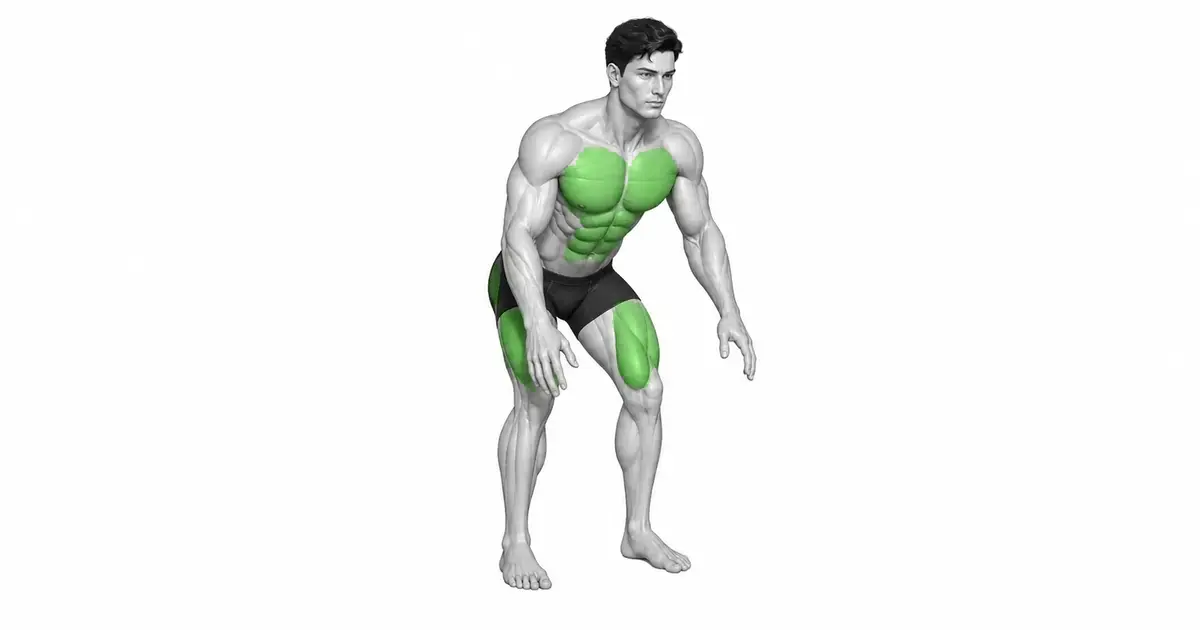
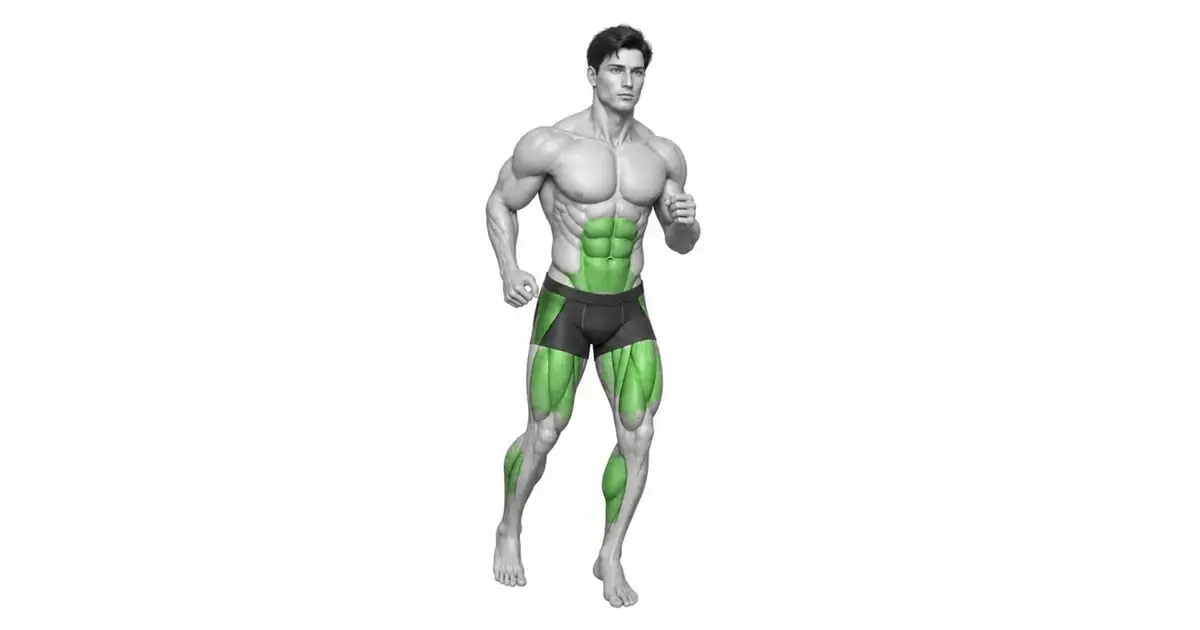
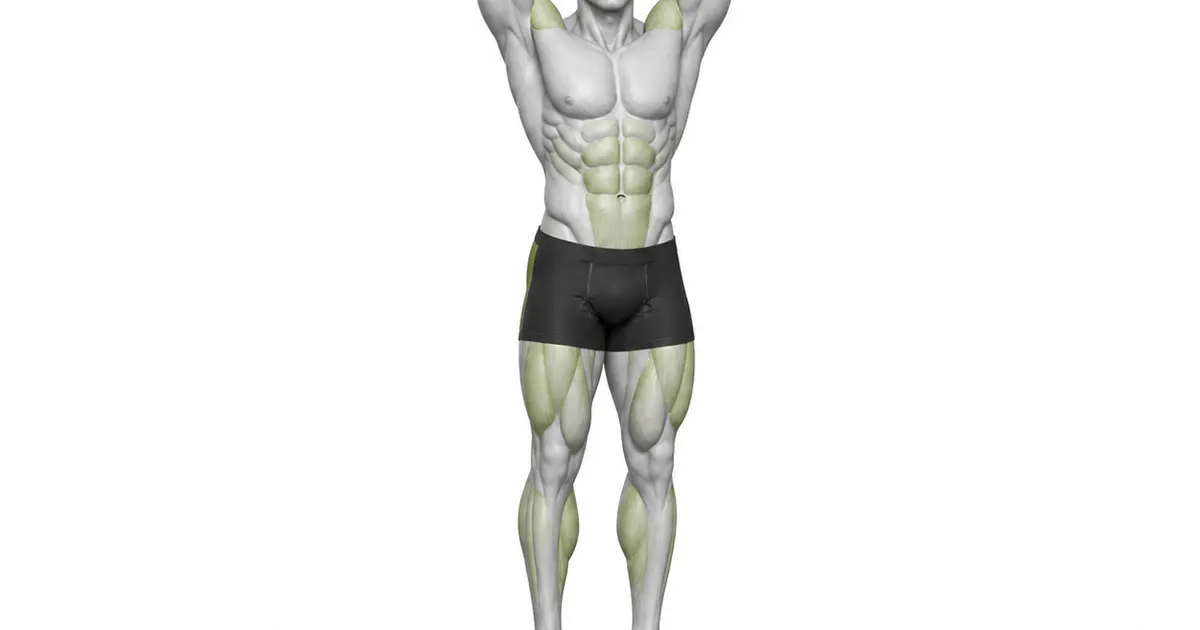
- Primary muscles
- Quadriceps, gluteus maximus, pectoralis major
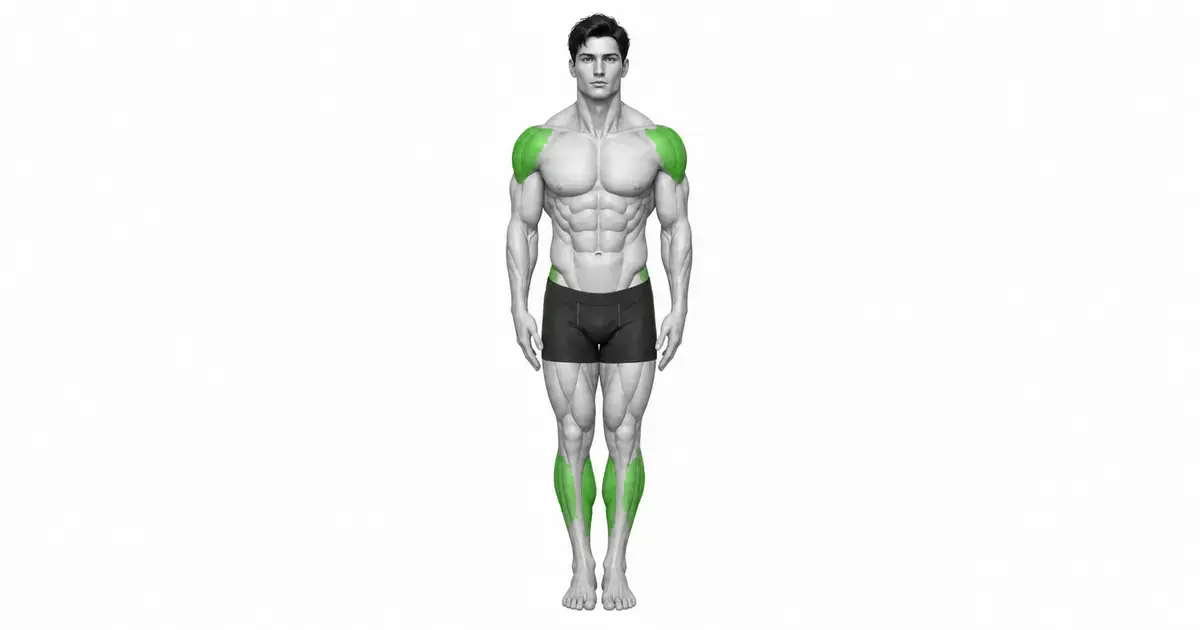
- Secondary muscles
- Triceps, Calves, Deltoids, Abdomen
- Difficulty
- Intermediate
- Movement type
- Plank transitions and vertical jumps
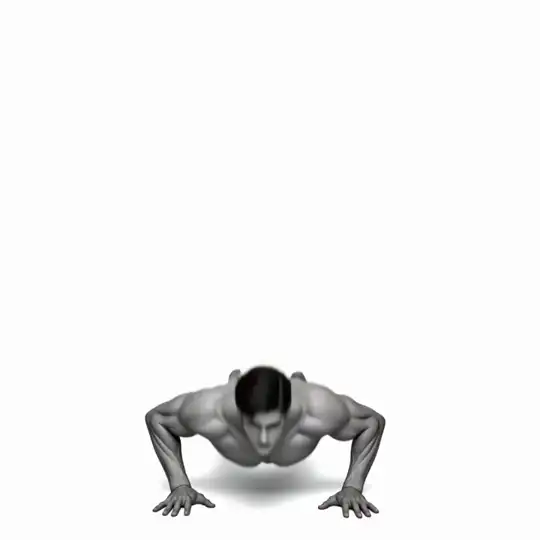
Are push-ups necessarily included in burpees?
Depends on program definition. You can still train full-body transitions and jumps by skipping the push-ups or using a high stand.
STEP BY STEP
4 Steps for One Complete Rep
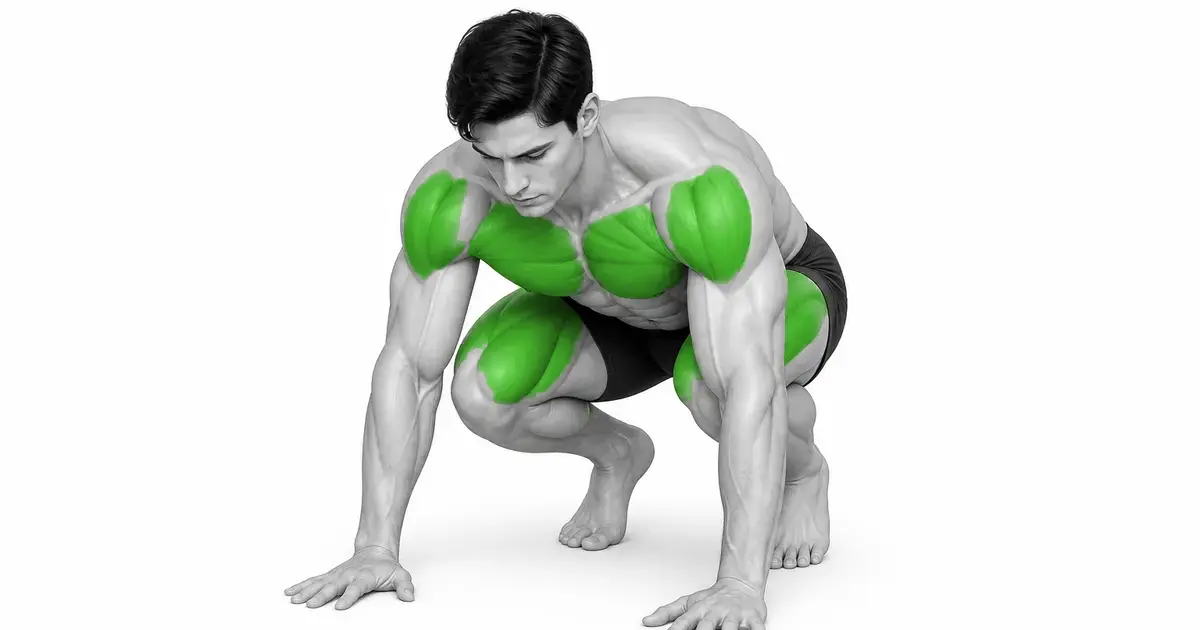
- 1
Squat with hands on the floor
Place your feet shoulder-width apart, bend your knees and hips, and place your hands on the floor in front of your feet. Just bend down at the waist and don’t extend your hands too far.
- 2
Plank with stepback or jump
Place one foot at a time or both feet back, aligning your body from head to heels. Perform controlled push-ups according to the program.
- 3
Bring your feet outside your hands
Keeping your abs tight, bring your feet wide forward and place your heels on the floor. Lift your chest to regain balance before jumping.
- 4
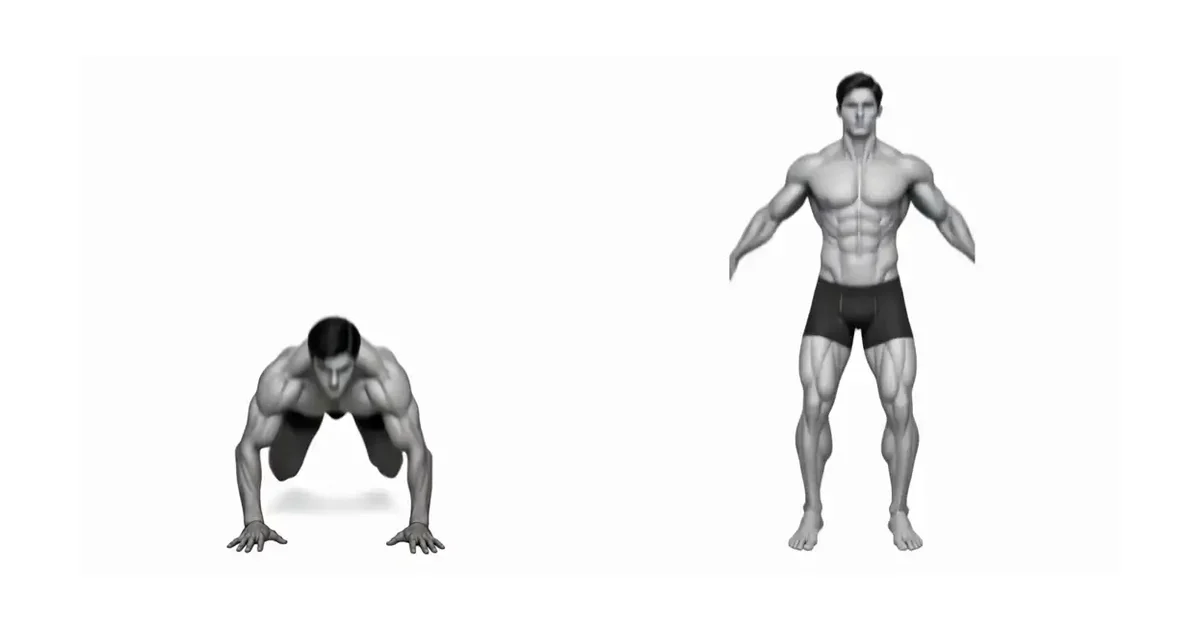
Jump low and land softly
Push the floor with your entire foot to jump vertically. Land quietly, bending your knees and hips toward your toes, and then begin the next repetition.
SCALE THE FLOOR
Floor transitions can be adjusted to skip stepback, high support and pushups
If there is a lot of strain on your wrists, shoulders, or back, place your hands on a bench or box and move one foot at a time.
Choosing a variation that maintains plank and foot strike rather than speed will increase the quality of your total workout.
Key point: Cue to try right away: “Do a plank, land wide, and jump quietly.”
LAND BEFORE REPEATING
Only after the jump has landed do we go down to the next repetition
When you land and throw your body to the floor, the impact continues on your knees and wrists. Check your beat-to-beat balance.
If the jump height decreases rapidly or the landing sound becomes louder, increase the rest rather than the number of repetitions.
TROUBLESHOOTING
Fix the cause of a mistake, not just its appearance
Lower back sagging in plank
- What you see
- When you put your feet back, your pelvis drops to the floor and puts pressure on your lower back.
- Likely cause
- Quick jump back without abdominal preparation.
- How to correct it
- Step back with one foot at a time, bring your torso to one line, then move to the next step.
Feet land narrowly and far from the hands
- What you see
- Stand up with your heels lifted and your back rounded.
- Likely cause
- Lack of hip range of motion or abdominal pull.
- How to correct it
- Bring your feet wide outside your hands or step forward one at a time to raise your chest.
Jump landing with stiff knees
- What you see
- The landing sound is loud and the impact on the knees and ankles is large.
- Likely cause
- Tired or too hasty for the next iteration.
- How to correct it
- Lower your jump height and gently bend your hips and knees to complete the landing.
REGRESSION & PROGRESSION
Match the difficulty before adding load
Time and Frequency Zoom
Gradually increase performance time or add more times per week.
Difficulty Variant
Challenge yourself with deeper ranges of motion or higher resistance.
BEGINNER PROGRAM
A practical starting framework
Start with short sets of 3 to 8 reps or 10 to 20 second work. If either plank alignment or jump landing falls apart, lower to a stepback or no-jump variation.
Frequency
3 to 5 times a week
It is recommended to perform it as a habit in your daily life.
Volume
15~30 minutes
Please move sufficiently without putting too much strain on your body.
- Always check your condition first and do not overdo it.
- Practicing with joy and rhythm is the key to sustainability.
Frequently asked questions
Is the higher the jump better?
No. The height is appropriate so that you can land softly throughout the set. If you feel tired, adjust it by lifting on tiptoes or skipping jumping.
Which variation is better if I have back pain?
The variation of placing your hands on the bench and stepping back and stepping in with one foot at a time reduces the transition range. If pain persists, stop exercising.