MAN MAKER
Man Maker is not an exercise that quickly mixes several movements, but a complex conditioning movement that maintains and connects each posture of push-up, renegade row, clean, and thruster.
Man Maker, who performs push-ups and left and right renegade rows from a plank holding two dumbbells, then gets up and finishes with cleans and thrusters, fatigue accumulates throughout the body very quickly. If each step is not mastered separately, pelvic rotation, lower back rounding, and unstable overhead will appear in succession. Use hexagonal dumbbells and a light load, and practice push-ups, rows, and clean thrusters separately if necessary.
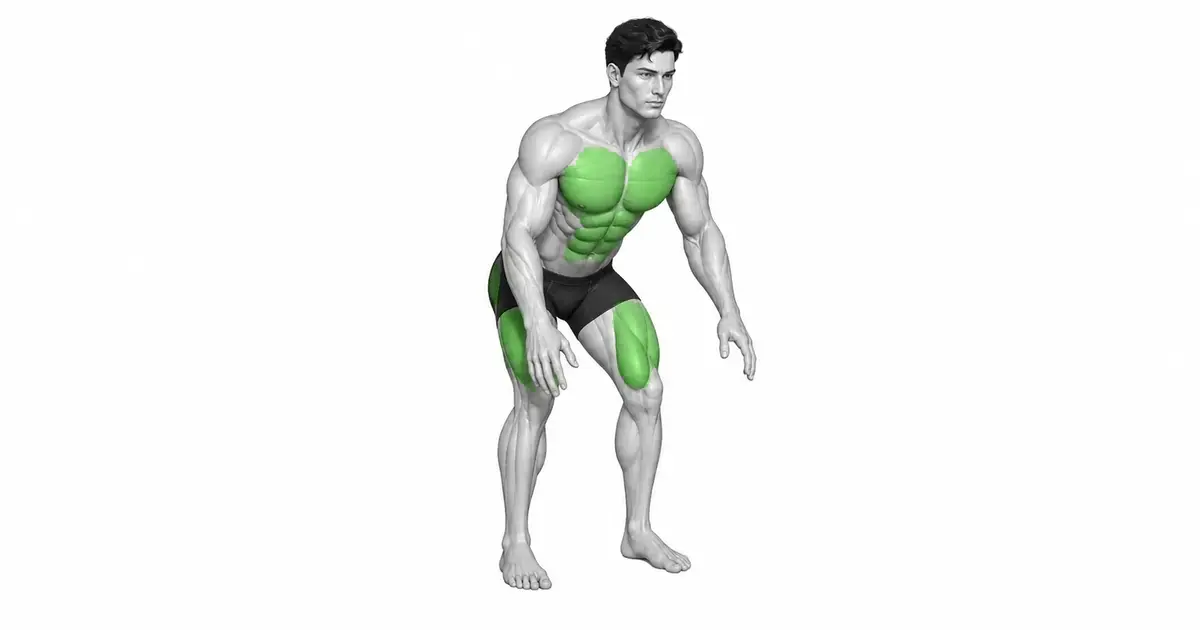
- Primary muscles
- pectoralis major, latissimus dorsi, deltoids, quadriceps
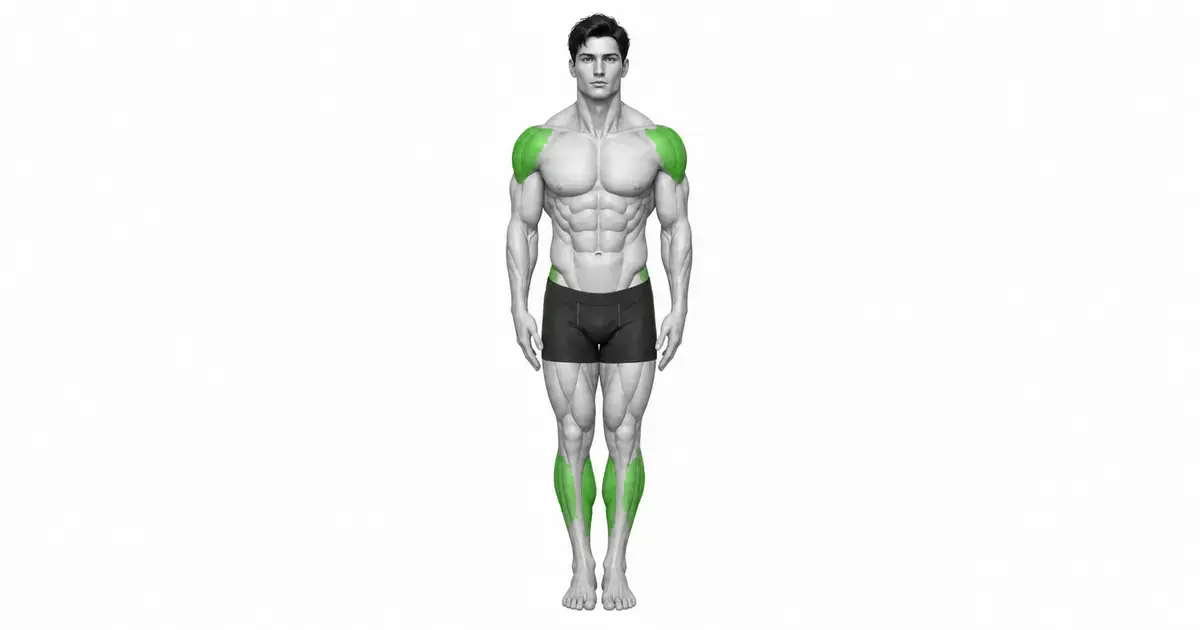
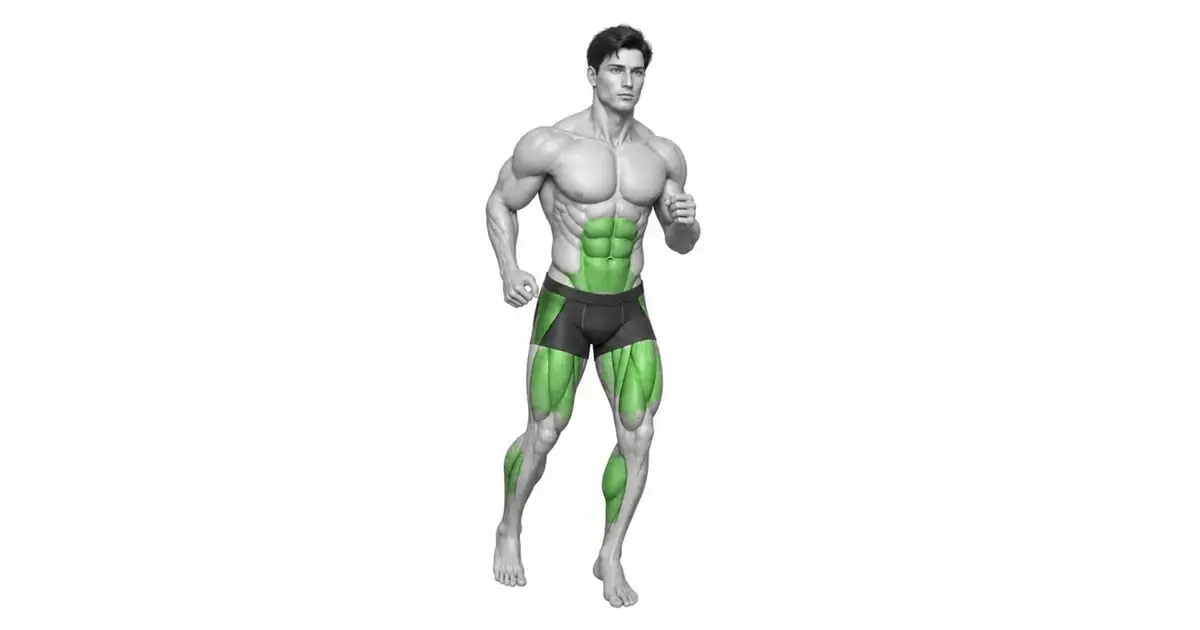
- Secondary muscles
- Triceps, Gluteus Maximus, Hamstrings, Abdomen
- Difficulty
- Advanced
- Movement type
- Push-up, Renegade row, Clean, Thruster combination
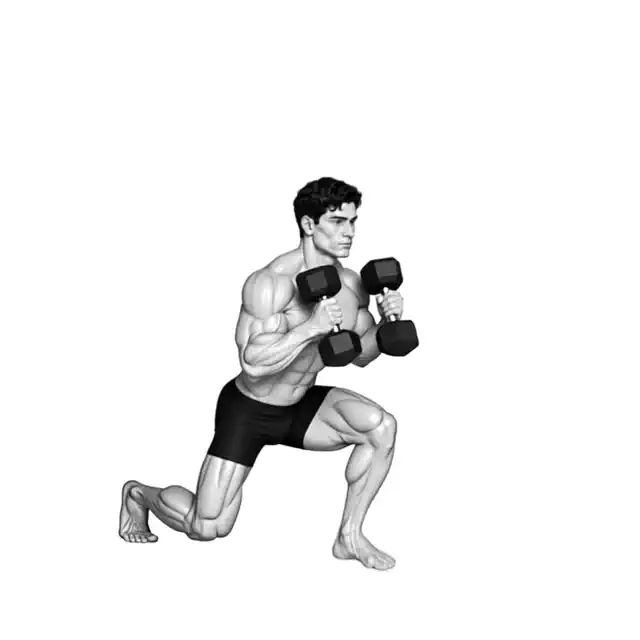
What movement does one repetition include?
Typically includes push-ups, side-to-side rows, cleans, and squat-presses, but may vary depending on program rules.
STEP BY STEP
4 Steps for One Complete Rep
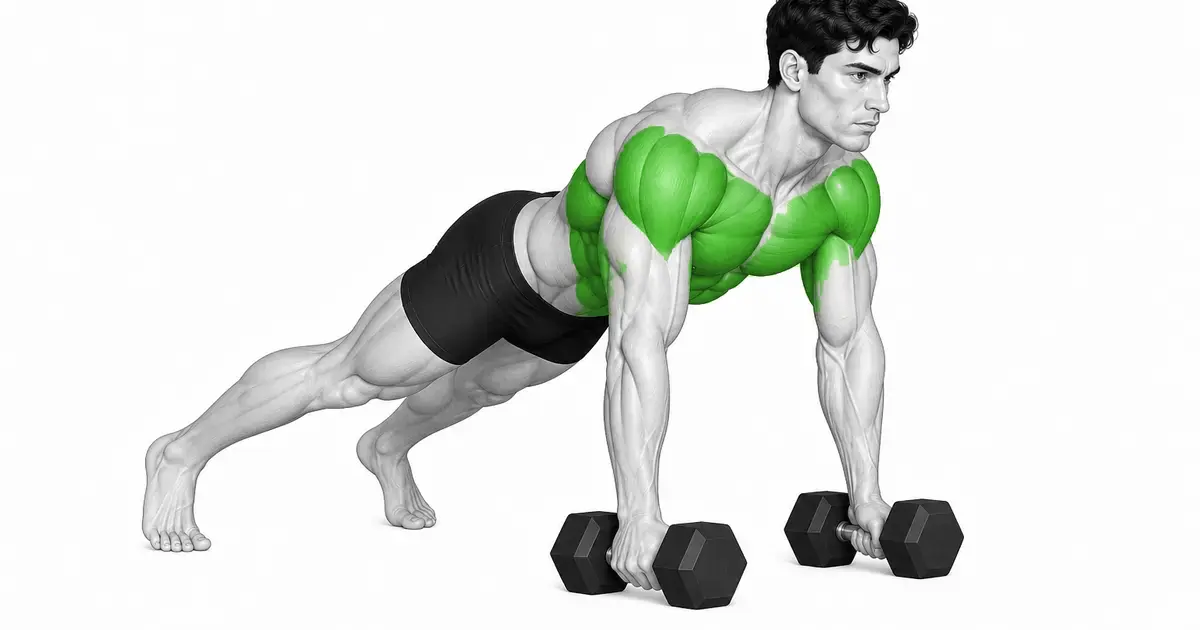
- 1
Creating a Wide Foot Dumbbell Plank
Place hex dumbbells under your shoulders and spread your feet wide into a plank. Make sure your wrists, shoulders, and pelvis are stable.
- 2
Performing push-ups and side-to-side renegade rows
Lower your chest between the dumbbells, then raise one dumbbell and pull one dumbbell to your ribs. Lower and repeat on the other side, keeping your pelvis in front of you.
- 3
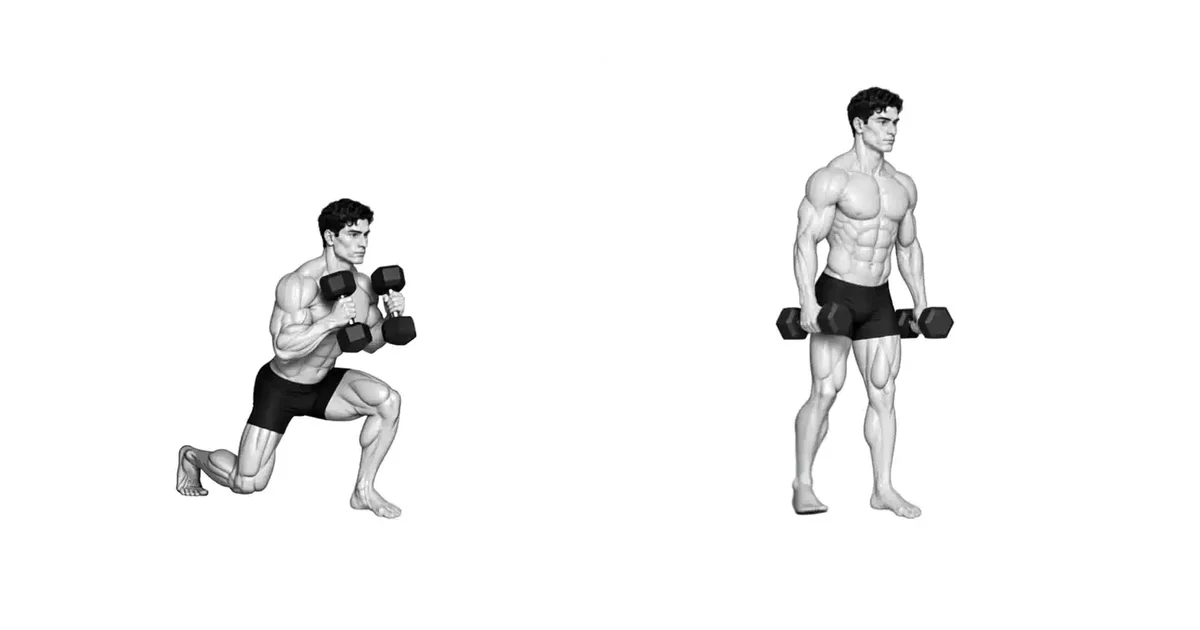
Bring your feet to the dumbbell clean
Bring your feet outside your hands to create a hip hinge and accelerate the dumbbells closer to your body, holding them in front of your shoulders. Don't grab it with your waist.
- 4
Squat followed by finishing with an overhead press
Squat and stand up with dumbbells on your shoulders and connect your lower body strength to the press. Lock overhead and return to the floor under control.
RESPECT EACH POSITION
Even if it is a complex movement, the start and end positions of each step are not omitted.
After rowing, place the dumbbells down stably, land on your feet, create a hinge, and then clean. Rushing the transition increases your back and wrist risks.
Pausing 0.5 seconds between each step is more effective in learning posture than speed.
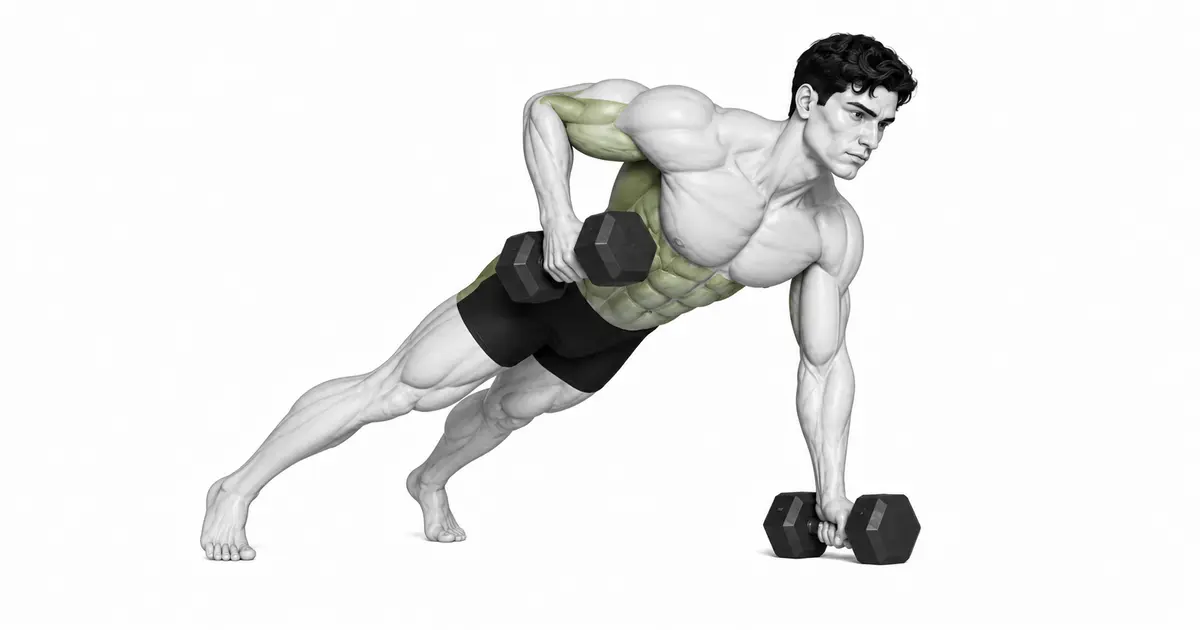
Key point: Cue to try right away: “Plank fixed, row fixed, hinge fixed, thruster fixed”
REMOVE ONE LINK
If a step fails, regress to that step instead of forcing it to repeat the whole thing.
Components can be adjusted like knee push-ups, supported rows, clean and then push press.
Even for cardiorespiratory purposes, if the dumbbells are wobbling or the pelvis is rotating, reduce the work time.
TROUBLESHOOTING
Fix the cause of a mistake, not just its appearance
Pelvis rotates significantly when rowing
- What you see
- The pelvis on the pulling side points toward the ceiling and the supporting dumbbell swings.
- Likely cause
- Foot spacing is too narrow or the weight is excessive.
- How to correct it
- Place your feet wider and lower the dumbbells, pulling them briefly toward your ribs.
Plank straight to the waist clean
- What you see
- Feet land narrow, back round, dumbbells far from body.
- Likely cause
- Hinge preparation step skipped.
- How to correct it
- Place your feet outside your hands, pause for a beat, align your back and pelvis, and then clean.
Fatigue leaves overhead in front of body
- What you see
- Your arms are extended but the dumbbells are in front of your face and your back is wet.
- Likely cause
- Thruster weight and total fatigue exceed shoulder stabilization capability.
- How to correct it
- Decrease the weight and repetitions and make sure you lock next to your ears on each repetition.
REGRESSION & PROGRESSION
Match the difficulty before adding load
Increased weight and speed
Gradually increase the weight or increase the speed of the movement while maintaining correct posture.
Continuous performance (complex)
Combine with other movements to strengthen cardiorespiratory endurance and muscular endurance simultaneously.
BEGINNER PROGRAM
A practical starting framework
Low reps of 1 to 5 are also long enough sets. The weakest stage of the constituent motion should determine the overall weight.
Frequency
1-2 times a week
High nervous system fatigue, so allow ample recovery time.
Volume
3~5 sets, 3~6 times
Low reps are recommended to focus on maintaining quality movement and explosiveness.
- If you become tired and lose your posture, end the set immediately.
- Protect your spine by maintaining abdominal pressure with powerful breathing.
Frequently asked questions
What is the basis for choosing dumbbell weight?
Based on your weakest component, usually the weight at which you can fully perform renegade rows or overhead locks.
Can even a beginner do it?
This is possible by first learning each component movement individually and then adjusting it to knee push-ups, support rows, etc. Don't rush to make a full connection.